

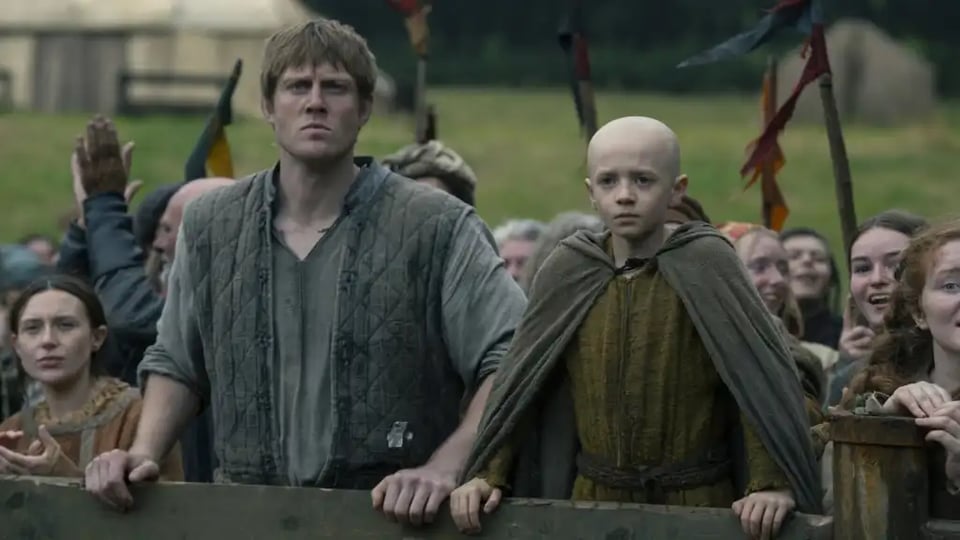
Like many people, I just finished watching A Knight of the Seven Kingdoms. It was a good, self-contained little series, and even if you’re still burnt out on the Game of Thrones universe, you’ll enjoy it. I assume they’ll go on to make more and more until we hate it, but just watch season one and move on with your life. Interestingly, I think there’s something appealing about Ser Duncan as an example of “connected masculinity” but I need to chew on that more.
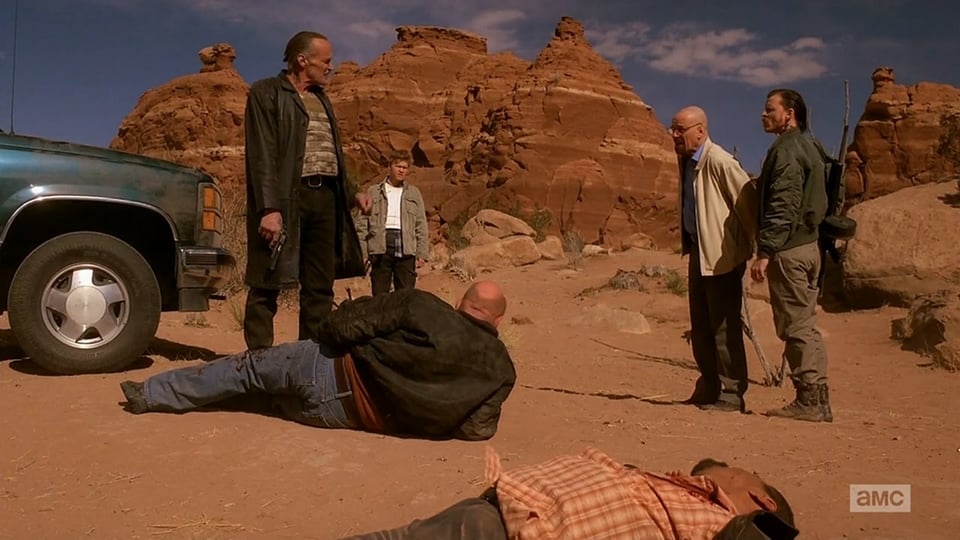
Anyway, this isn’t about that. One of the things that caught my eye was this story about Game of Thrones fans and Breaking Bad fans “warring online”. The context:
First, we need to talk a little about IMDb ratings. These are powered by users adding star ratings for TV episodes and movies they've watched, providing a number out of 10. These are collated into an overall score, prominently displayed on the IMDb page for the particular show or movie. Most people probably don't even look at it, but for some people, it's a point of pride.
This rang a bell for me because, as the article notes, for a brief period Heated Rivalry shot to the top of this particular ranking, until a bunch of bad-faith 1-star reviews knocked it back to a 9.9/10 (will there be a week where I don’t mention Heated Rivalry in this newsletter? who can say). Breaking Bad's "Ozymandias" had held the top spot, essentially unchallenged, for over a decade. What’s followed is not about a celebration of excellent pieces of television. It’s coordinated bombing campaigns. The only real winner in the current example, as the Yahoo piece dryly noted, was Six Feet Under — a show that ended in 2005 and quietly climbed to the top of the chart while everyone else was busy torching each other's ratings.
Cardiff University's Dr Lucy Bennett put it well in that same piece: "Once taste is turned into a scoreboard with ratings, competition then inevitably follows." Which, yes — but I'd push that further. Competition doesn't just follow. It replaces something. In the war to protect a number, the actual shows get swallowed whole. Nobody in these review threads is talking about what made "Ozymandias" so devastating, or what any of these subsequent shows did differently. They’re just defending territory. The number had stopped being a representation of the thing and had become the thing itself.
This is exactly what Eunice Braga was writing about recently in fan/work, in a piece that's been stuck in my head since I read it. She was specifically talking about AO3 — about fans who've started obsessing over their comments-to-hits ratio before they even publish a fic — but the diagnosis applies everywhere. She talks about quantification fixation, and traces it to something bigger than fandom: the broader cultural pressure that says nothing is worth anything until a metric confirms it. "Things can no longer exist," she writes, "until there are charts and statistics backing up their existence."
On film Twitter, it drives me nuts when people talk about movies in this way: This movie had x amount of production budget, so it needs to make $____ billion to make money. As a moviegoer, that’s not my problem. That’s a shareholder problem. My problem is just making sure that when I do go out, I watch something that I’m entertained by, struck by, or moved by. If I’m a film buff, maybe I’d want to go to movies for more than that but trying to make this the norm for even the most casual of moviegoers just breeds a mindset that art, media has to be ‘worth it’ to be seen.
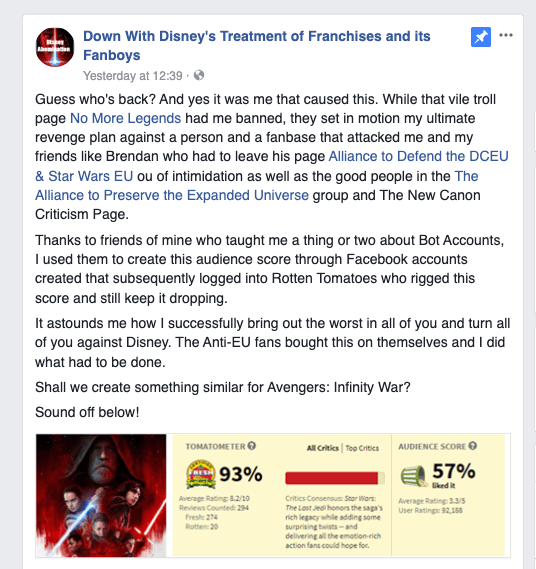
And once a number can be defended, it can also be attacked. Not just by rival fandoms, but by people with no interest in the art at all. The Last Jedi was review-bombed by a coordinated bot campaign on Rotten Tomatoes, with a member of the alt-right later publicly taking credit for it — the stated grievance being that a Star Wars film had a female lead and a Black protagonist.
The Rings of Power was flooded with one-star reviews before many of its critics had watched a single episode, with reviewers openly angry that the show had cast actors of colour in a franchise they had decided belonged to them. The Little Mermaid collected 47,000 one-star ratings on IMDb after Halle Bailey was cast as Ariel. Ghostbusters (2016), Captain Marvel, She-Hulk, They/Them — the list goes on, and the pattern is identical every time. An announcement is made. A Telegram channel mobilises. One-star reviews arrive in waves, often before the thing has even been released. IMDb puts up a notice about "unusual rating activity." The number gets dragged down. The campaign declares victory.
What's striking, when you put it next to the Breaking Bad/Game of Thrones situation, is that the mechanism is identical. In both cases, people aren’t using a rating to express an opinion about a piece of work but to prosecute a position — about hierarchy and who gets to be on top. The Breaking Bad fans protecting "Ozymandias" and the people review-bombing The Little Mermaid are doing the same thing. The difference is that one is petty(? I guess?) and the other is a hate campaign. But they share a foundational belief: that the number is the battlefield, and winning on the scoreboard is the point.
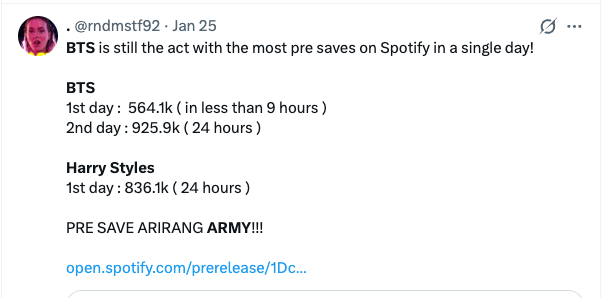
Nowhere is this more visible — or more complicated — than in K-pop streaming culture. ARMY, the BTS fandom, essentially industrialised fan chart participation. Streaming parties. Coordinated YouTube guidelines ("watch at 480p minimum, don't mute, take breaks between replays so the algorithm doesn't flag you"). Internationally pooled funds to buy downloads that count toward Billboard charts. A former Spotify employee told Billboard that when K-pop fandoms arrived, it was "like nothing that any chart-juicing machine had ever done before — just on a completely different scale." Bernie Cho, a Seoul-based music industry executive, described the mobilisation of top-tier K-pop fan clubs as resembling "the impressive precision of an elite military operation."
The thing is, I don't think most of the fans doing this are cynical or just “chart-juicing”. When an ARMY member sits up at midnight streaming "Dynamite" — one fan, during the push for 100 million YouTube views in 24 hours, wrote "I'm slowly losing hope, I'm afraid we won't reach our goal… but I won't stop str34ming" — they feel like they're doing something for someone they love, as part of a community. The streaming party is the bonding experience.
But if the number is what your love gets translated into, what happens to everything that can't be translated? The song that didn't get the streaming party treatment or the fic with a low hit count. The film that got review-bombed before anyone saw it. The metric absorbs all the oxygen, and the things that resist quantification — weird, small, difficult, new — get starved of attention. K-pop streaming culture and far-right review bombing are obviously not morally equivalent. But they both treat the number as the goal, and they both reshape the infrastructure of how culture gets seen and surfaced. Spotify and YouTube have had to change their algorithms repeatedly to fight back against organised streaming. Rotten Tomatoes routinely has to disable user ratings.
When we organise our relationship to art around rankings and metrics, we lose the critical vocabulary for talking about why something matters. If the question is always "is this rated higher than that thing?", we never have to answer the harder, more interesting question: what does this actually do? What does it ask of us? What does it feel like to spend time with? "Ozymandias" is one of the greatest hours of television because of the specific way it collapses Walter White's self-delusion in real time — not because of a number that a bunch of strangers assigned to it on a website. The number can't hold that. Which is just another way of saying: we need to actually engage in criticism. To have opinions with thought and reasoning behind them, not just rankings.
Ok, but here’s where things get a bit tangled. You’ll all know that one of the phrases I reflexively deploy when people are being annoying about the objects of others’ fannish interests is “let people enjoy things”.
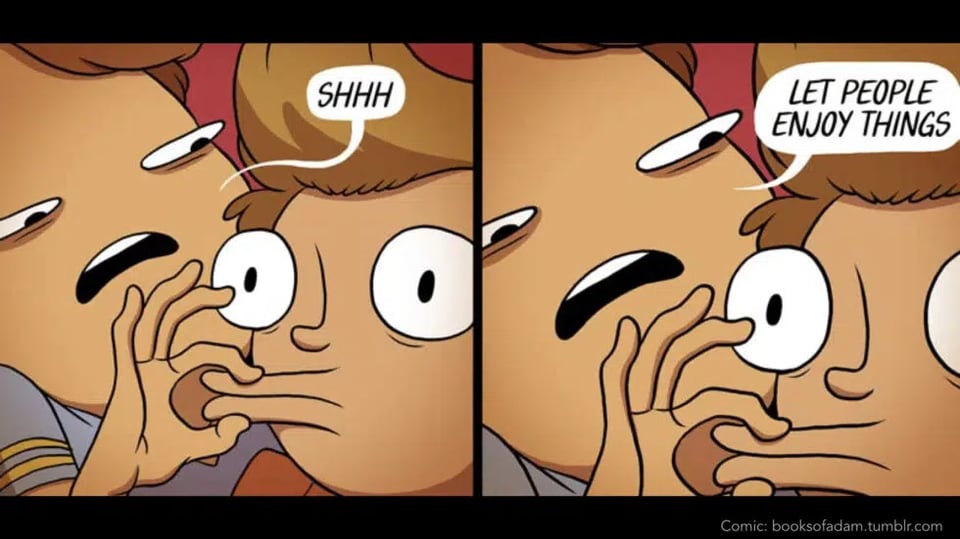
On its face, it's just a plea for basic tolerance: don't march into someone's enjoyment of a thing and pick it apart because you don't share their taste. Nobody wants to know that you think Taylor Swift is mid, actually. Maybe you loved Wuthering Heights (hi luce). Stop judging people for cosplaying on their weekends, or being into LARPs.
But "let people enjoy things" has drifted a long way from that reasonable starting point. It's now thrown around just as often to shut down any critical engagement at all — including from people who are deeply invested in the thing being discussed. Point out a structural problem in a show you love, and someone will tell you to let people enjoy things. Write thoughtfully about the labour conditions behind K-pop idol culture, and you're not letting people enjoy things. Ask whether it's healthy for a fandom to define collective worth through chart positions, and — you guessed it.
The phrase has become a way of framing all criticism as hostile intrusion. It’s why I call this newsletter “What you love matters” instead, because your thing does matter, and you’re right to love it. But it doesn’t mean that thing is flawless or unable to be interrogated. The fans most aggressive about treating cultural metrics as a battlefield are often the same ones quickest to invoke "let people enjoy things". The deeper problem is that "let people enjoy things" implicitly frames criticism and enjoyment as opposites. They're not. Genuine criticism — the kind that asks what a work is doing, what it's asking of its audience, why it matters or doesn't — is itself a form of serious engagement. And it often leads to more people discovering something and enjoying it, not less. And yet real critics are being laid off, music criticism is no longer cranky. (It’s Not) The Death of Criticism (Again):
To be a critic, in any of the various and sundry ways in which one can now exist in that role, is to engage with art. That’s really all I think criticism is: sustained, considered engagement with art. It can be, but does not have to be, an ultimate judgement: read this, not that. Thumbs up or thumbs down. I’ve had people ask me before, “Was that a negative or positive review?” Both? Neither? It was a review. Like a book, you read it and make your own decisions about it.
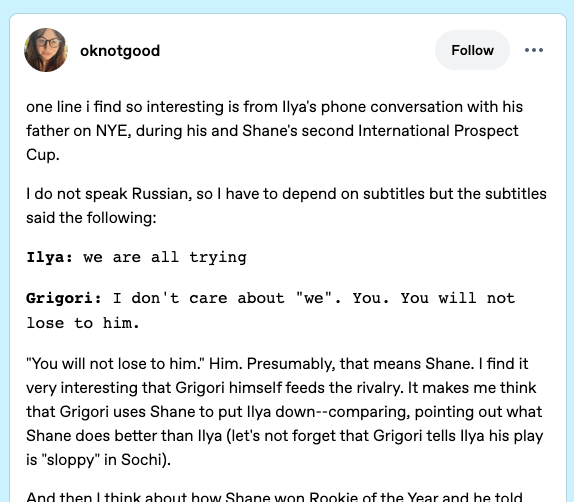
Fandom used to understand this instinctively. The long tumblr essays. The metas on livejournal. The comments that clocked something in a book that the author hadn't consciously put there. The forum threads that turned a single scene over and over until everyone understood it differently. That is all criticism, in the broadest and best sense of the word. None of it would show up in a comments-to-hits ratio or move a decimal point, but it is the thing that made the numbers worth anything in the first place. Ironically, the massive influx of new and old fans into the Heated Rivalry fandom has brought a swathe of that back on tumblr and I’m loving it:
When we replace that kind of engagement with scoreboard-watching — and then insulate the scoreboard from scrutiny by telling anyone who questions it to shut up — we don't end up with more enjoyment. We end up with fandom that's optimised for winning and increasingly bad at saying why any of it matters. The number went up. Nobody won anything.
more good stuff
it’s album rollout time for Harry’s latest Kiss All The Time, Disco Occasionally. Watch him on Brittany Broski’s Royal Court, he’s adorbs.
loved this interview with author Brian Raftery about his new book Hannibal Lecter: A Life about the beloved fictional serial killer’s enduring legacy — including which actor played him best (no question it’s Mads, sorry to the rest of them).
I also loved this from Dan Sinker on joy and resistance, talking about Alysa Liu’s gold medal performance and Bad Bunny’s halftime show:
That there have been two high-profile examples of this kind of radicalizing joy on the largest possible stages in less than a month feels like a balm for the relentless shit we have been living under as ICE has destroyed our communities. It is a reminder that even right now, even as the fight rages on, there is time for joy, there is time for art, there is time to celebrate difference and self, and to insist that you too can be free.
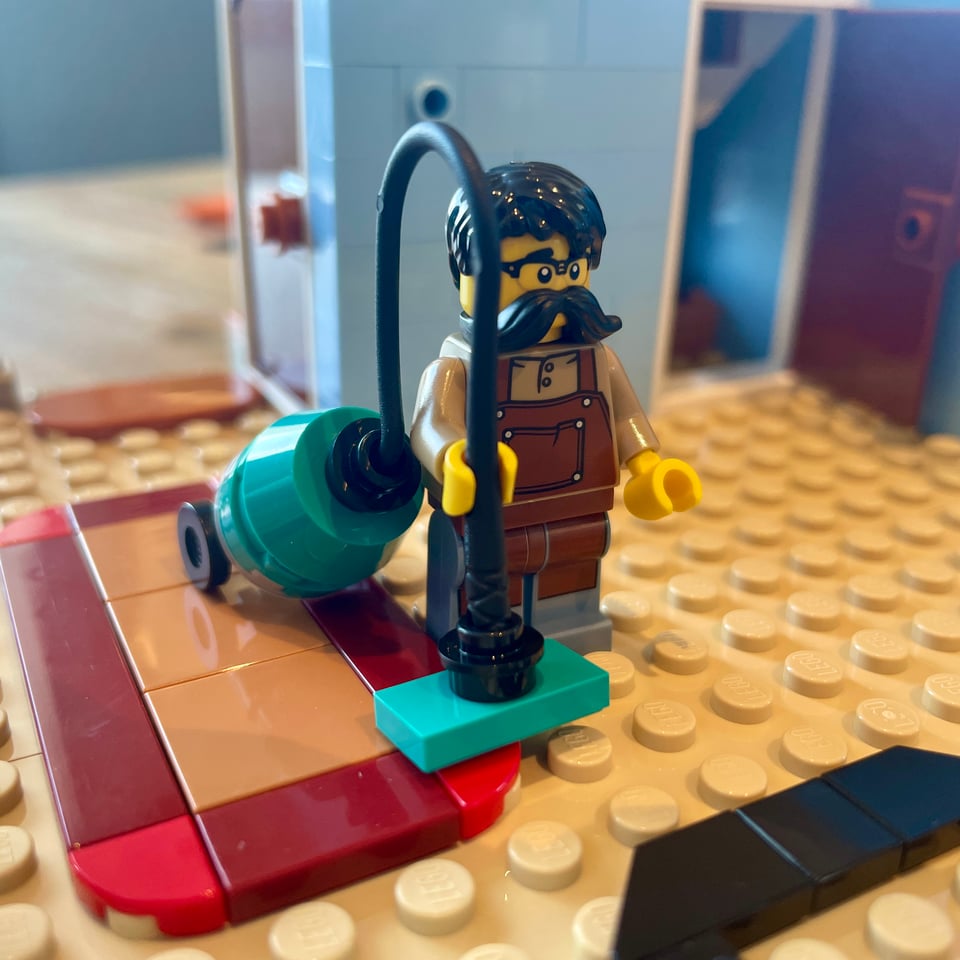
finally, in my lego city
forward this email to someone who needs to watch harry on royal court.
You just read issue #63 of what you love matters. You can also browse the full archives of this newsletter.


Add a comment: