

This week I’ve been thinking about the demise of twitter, and what has risen up in its place over on X The Everything App. Normally, I just keep calling the platform “twitter”, both because X is a stupid name and because most people who aren’t chronically online don’t even really know its called X now. Also because why do anything Elon Musk tells you to do.
But for a time, twitter was one of my favourite places online. I joined in March 2007, just a year after the platform was founded. For whatever reason there was a vibrant group of people from Aotearoa using it in those early years. I remember giving a presentation to my fellow partners at my law firm about why we should set up a branded twitter account in 2009. I remember showing them the photo of the Miracle on the Hudson tweet and trying to explain why this was how information would move now.
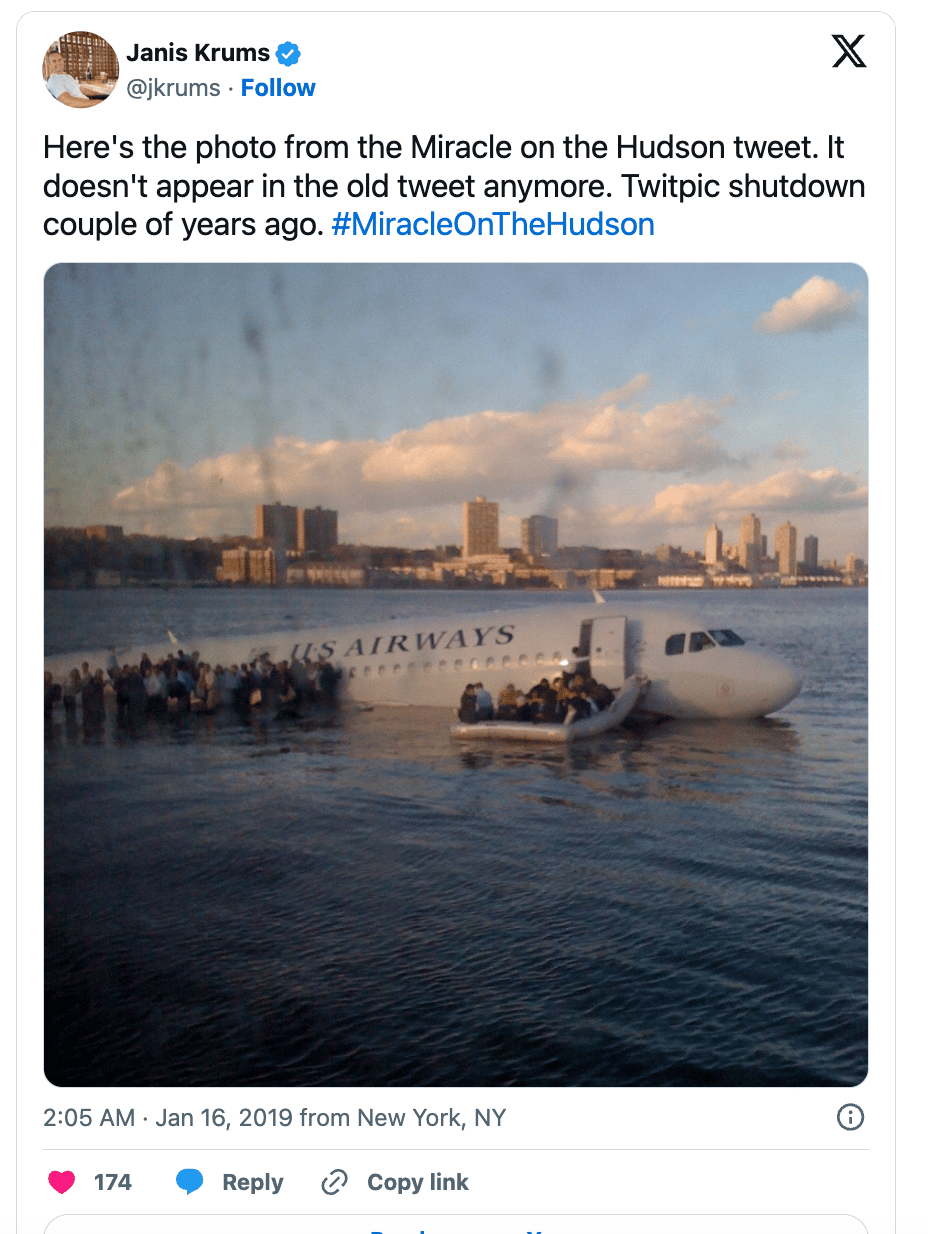
For many years, twitter was an unrivalled source of access and information. It didn’t matter what topic I was interested in, I could find and follow experts and activists and academics and commentators and journalists. I could ask them questions. It was incredible.
It was also terrible, let’s be real. In 2018 Amnesty International released a study that showed that a problematic or abusive tweet was sent to a woman every 30 seconds. For women of colour, one in every ten tweets they received was abusive. I’m not trying to be a revisionist historian here. The trust and safety work that twitter-the-company did at its height was well-intentioned but too late and not nearly enough, and I’ve written about that a lot. But I miss twitter on its good days. We don’t have anything like it now.
I stopped using X in 2024. The decision to abandon it was obviously political, but also the site had become broken in ways that meant it felt pointless to stick around. My blue check was removed because I was never going to pay for one. The algorithms that used to promote an interesting and varied diet of trending topics were swallowed up by the alt-right and bots, rage farming for followers and clicks. There was no reach any more. The fun people left. I live on Bluesky now and I like it.
X isn’t required to report its user numbers as a private company, except in the EU, where it’s clear that those numbers are declining. And it’s pretty easy to see why. Here’s the trending topics X offered for me this morning:
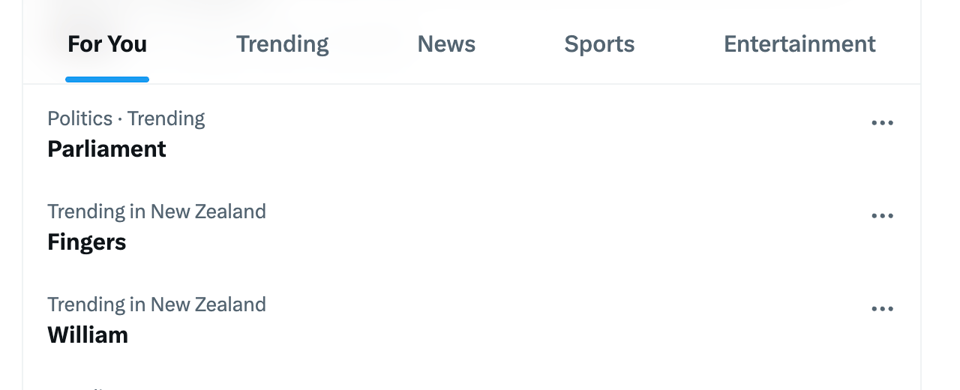
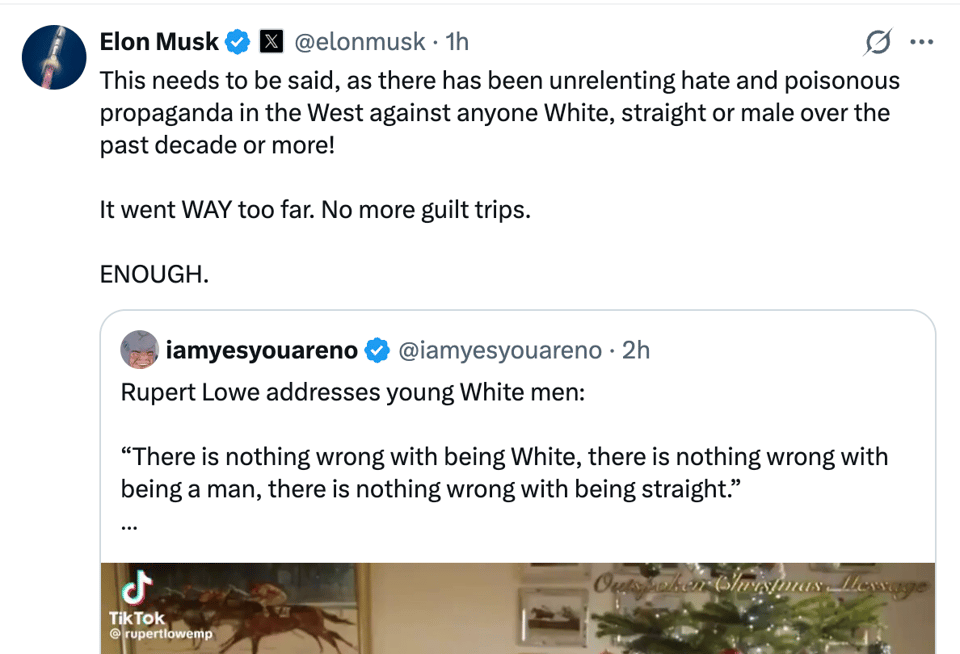
Whatever Elon wants to say is constantly promoted into everyone’s feeds, whether you want it or not. And in case you think that means you’re subjected to tesla ads — no, just a steady diet of white supremacy:
And then, the baked-in AI called Grok started generating images for users that undressed women and created child sexual abuse material.
So, it seems really clear that X is cesspool of the 4chan variety. It’s not brand-safe. It’s not safe for your eyeballs. And yet there are still pundits all over the place claiming that staying on X is important, because otherwise we’re ceding the public square or living in echo chambers or whatever. Those arguments are pretty funny if you lived through the era where twitter was described as a left-wing echo chamber. And it also just wildly misunderstands what’s going on on X. It’s not a platform for civilised debate where the best argument wins. It’s a place where people pay for reach, it’s overrun with bots and AI slop, and its algorithm is tuned to boost hate and racism. During racial unrest in the UK in 2024, Amnesty found that X created a “staggering amplification of hate”.
And yet pundits are still there, arguing away for a thousand likes. It’s sad.
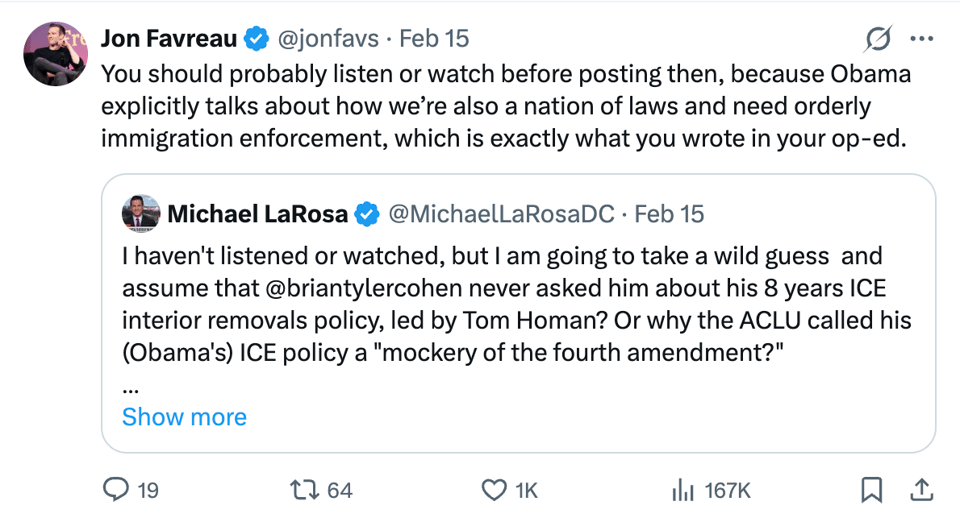
Anyway, the reason I’ve been thinking it this week also has to do with Heated Rivalry (sorry not sorry). As the show speedruns every fandom milestone, good and bad, we got a story from Wired about how the fandom was “tearing itself apart”. Usually I wouldn’t delve deep in explaining niche fandom drama, but I actually think this is a pretty useful case study of commentators again missing that the platform is the point. In this case, the Heated Rivalry stan wars are split along a few divides: rpf fans of actors Hudson Williams and Connor Storrie want them to have the same relationship in real life that they have onscreen, and are quick to turn on Hudson’s girlfriend and even quicker to turn on co-star François Arnaud (who may or may not be dating Storrie). What would normally be standard ship wars have escalated quickly with accusations of homophobia levelled at critics of Arnaud (the only one of the three to have publicly come out) and racism levelled at critics of Williams (who is Asian-Canadian). It gets messier than that, but those are the broad strokes.
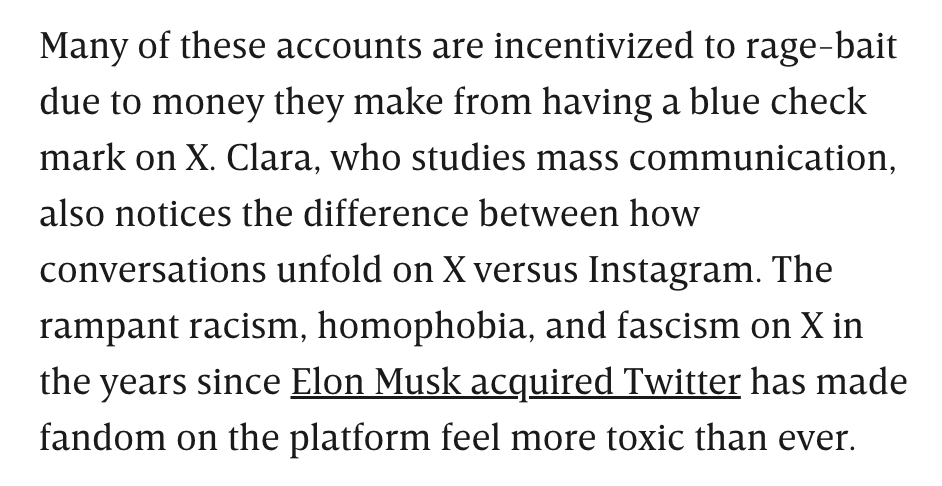
This got me to thinking, because it seems obvious to me that the racism and homophobia that is now baked into X would cause and amplify the same in a stan setting. The Wired article spends just one paragraph considering that possibility:
I’ve spent time over the last few weeks in the Heated Rivalry fandom on tiktok, insta, bluesky and tumblr. The only negativity in those spaces has been when people have been discussing the drama on X. Otherwise it’s been cute and upbeat and joy-filled. By contrast, here are four posts over the course of two weeks from one user on X:
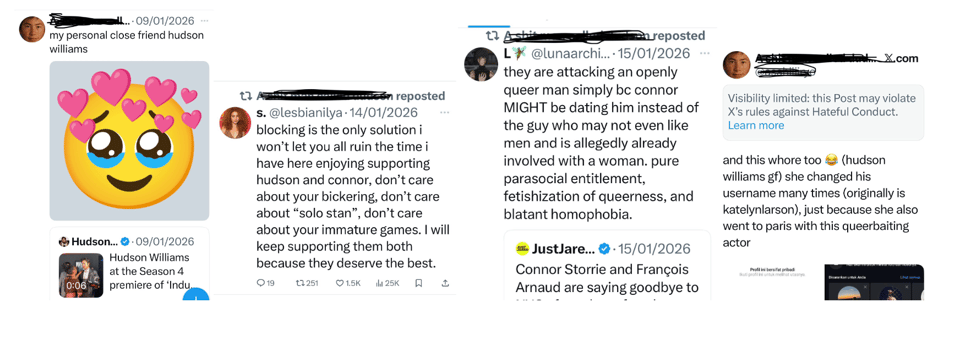
That’s not happening organically, and if you think it is, I have a bridge to sell you.
So why are the stans still on X?
Some of it is the same reason the podbros are. Network effects. Stans have been building their networks on twitter since 2010. Twitter’s immediacy was perfect for fans, who used the platform from the beginning to transform how communities operated. Update accounts could post news in real-time. Translation teams could subtitle content and disseminate it globally within hours. Trending hashtags could be mobilised to support causes or artists. Memes could be created, remixed, and spread at viral speed. The platform became a 24/7 hive of coordinated fan labour. Promotional work that record labels and studios increasingly relied on but rarely acknowledged. And wildly, almost all of it was powered by fans in Brazil.
When you’ve been using twitter for fifteen years, and you’ve built out your networks and you know where your friends are, it’s really hard to give that up. For stan accounts, this isn't just about follower counts (though that’s significant). It's about the entire ecosystem you've built. The inside jokes and shared references that only make sense to people who've been in these spaces. Starting over on a new platform means losing all of that. It means rebuilding from zero while everyone else is still on X, still creating the memes and driving the conversations. All your mutuals are there, why would you leave?
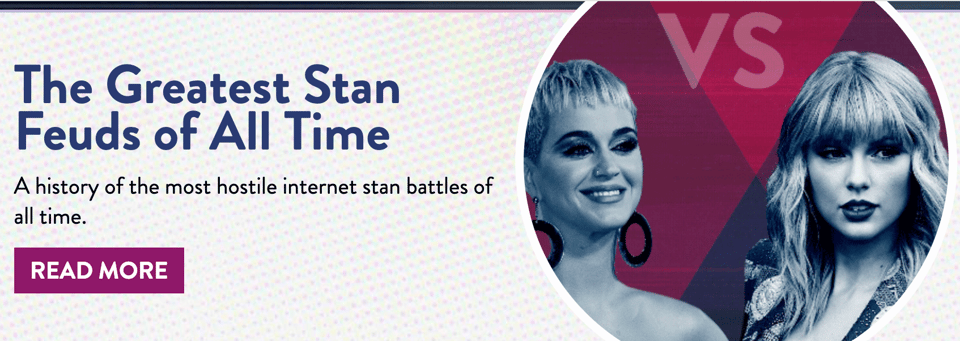
And lets be clear about what stan twitter was tolerating even before Musk showed up. This was never a healthy space. Stan culture has always had a dark side: the harassment campaigns against critics, the pile-ons, the cancel culture cycles, the way passionate support could curdle into abusive behaviour. The parasocial relationships that could become genuinely dangerous. The mental health toll of being constantly online and vigilant and ready to defend your fave.
But what Musk did was take a space that was already teetering on the edge of toxicity and remove what few guardrails existed. Without content moderation, the harassment got worse. Without fact-checking, misinformation spread unchecked. The algorithm now actively rewards the most inflammatory content, because inflammatory content generates engagement, and engagement is all that matters on X.
But loyalty built on infrastructure and addiction rather than affection is fragile. It lasts right up until the moment a viable alternative emerges, or until the platform becomes so degraded that even the strongest network effects can't compensate. The question isn't whether stan twitter will eventually leave X. It's whether they'll leave slowly, bleeding users one by one to scattered alternatives, or whether some catalyst, like another Brazil-style ban, a catastrophic platform failure, a true twitter competitor finally getting it right, will trigger a rapid exodus.
Either way, what we're watching is the slow-motion collapse of something that once felt permanent. Stan twitter is learning the hard lesson that every online community eventually learns: when you build on rented land, you're always one bad landlord away from losing everything.
In the meantime, if you find yourself reading about a fandom “tearing itself apart”, you’d do well to ask “do you just mean on X?” because the answer will be yes.
more good stuff
following on directly from the above, a new study shows that scientists are leaving twitter for bluesky with positive results:
Results show that for every reported professional benefit that scientists once gained from Twitter, scientists can now gain that benefit more effectively on Bluesky than on Twitter.
this post from matt led me to learn about dazzle wrap and test mules. The camouflage is designed to confuse your eye so you can’t tell what a new car looks like when it’s being driven in front of you!

i love this (via kottke.org) — a new take on an RSS reader called Current (if you’re an idiot like me and try immediately clicking on the number that loads, don’t, you should scroll):
Velocity is what makes the river work. Every source in Current has a half-life that you set: how long its articles stay visible before fading out.
A breaking-news feed like BBC World gets three hours. Ars Technica might get eighteen. A slow, thoughtful source like Aeon or The Marginalian gets a full week. The same river carries all of them, but each piece ages at its own pace.
finally, in my lego city

Forward this email to someone who needs to get off X.
You just read issue #62 of what you love matters. You can also browse the full archives of this newsletter.


Add a comment: