

Last year, we talked about a kind of context collapse that was going on after The Cut published links to a whole bunch of fanfic about The Pitt. At the time I said:
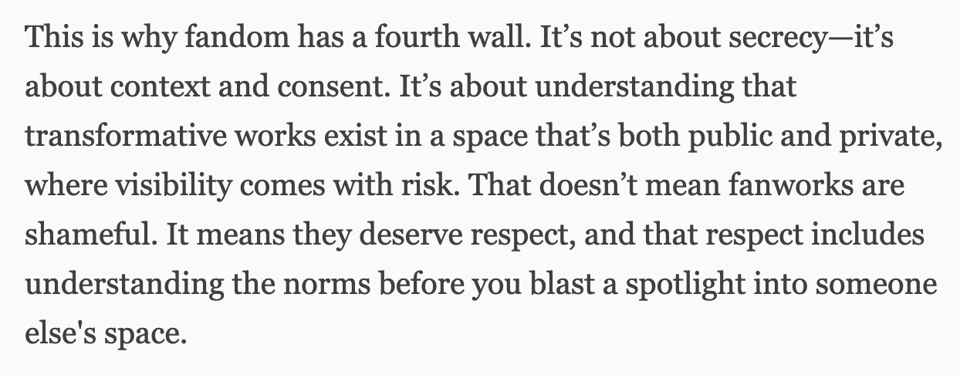
[Sidenote: the proliferation of hideous GenAI writing means I can no longer pen the phrase “It’s not about x, it’s about y” ever again.]
So I loved reading this thoughtful op-ed from Crystal Bell in Teen Vogue: We Need Real Etiquette When Reporting on Fandom. You should read the whole thing.
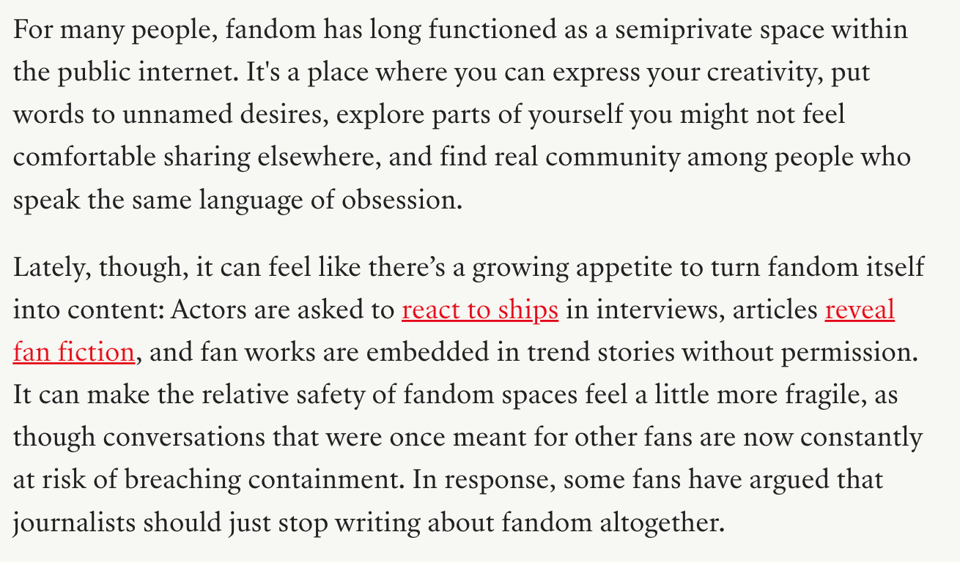
As Bell notes, there’s a few things going on here. Fandom is an increasingly powerful cultural force, so journalists are obviously going to want to write about. The “safe” spaces in which fandom used to operate are increasingly being flattened by platforms, meaning more and more fandom is happening on main. And as we’ve talked about recently, studios and labels are increasingly looking to fandom for marketing and even paid opportunities. It’s naive to think that fans should just be left alone in our little corners of a very public internet, or that noone should examine us when we wield real cultural and economic power.
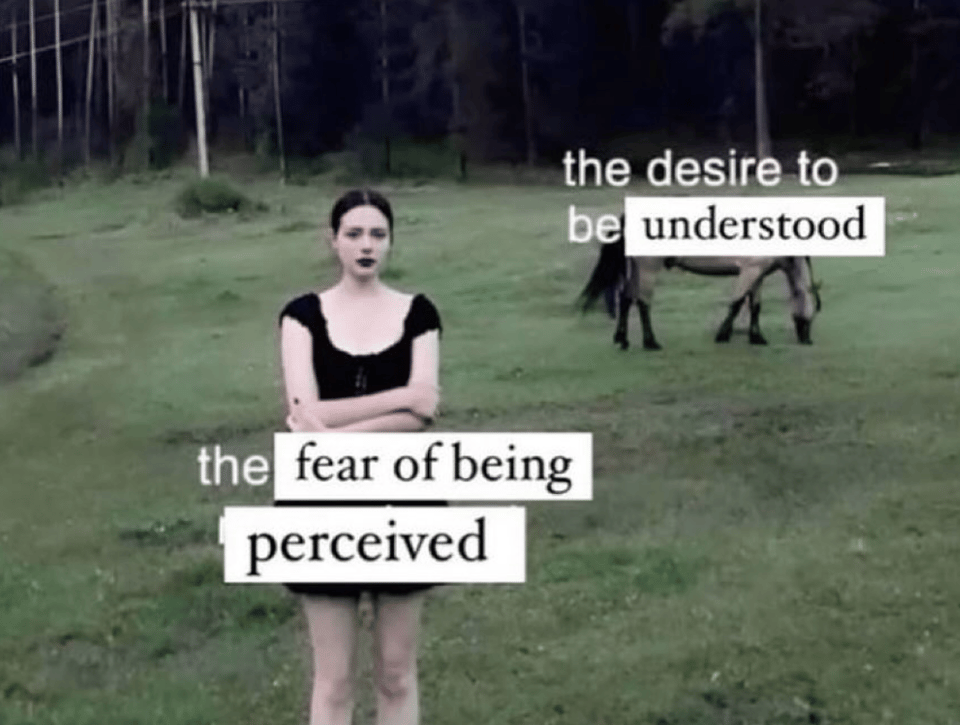
Bell’s point is that journalists should apply the same ethics they might when writing about or interviewing marginalised communities — you don’t point and stare and write pieces that make them out to be zoo animals. And you don’t do anything without permission.
I think that’s always been at the heart of it for me. Way back in 2003, I agreed to give an interview using a pseudonym to a uni friend who was writing an article on fandom for a New Zealand-based magazine, thinking I could convince her about the unbelievable quality of the stories I was reading. Instead, the article was subtitled, “Inside the weird and possibly sad world of fan fiction."
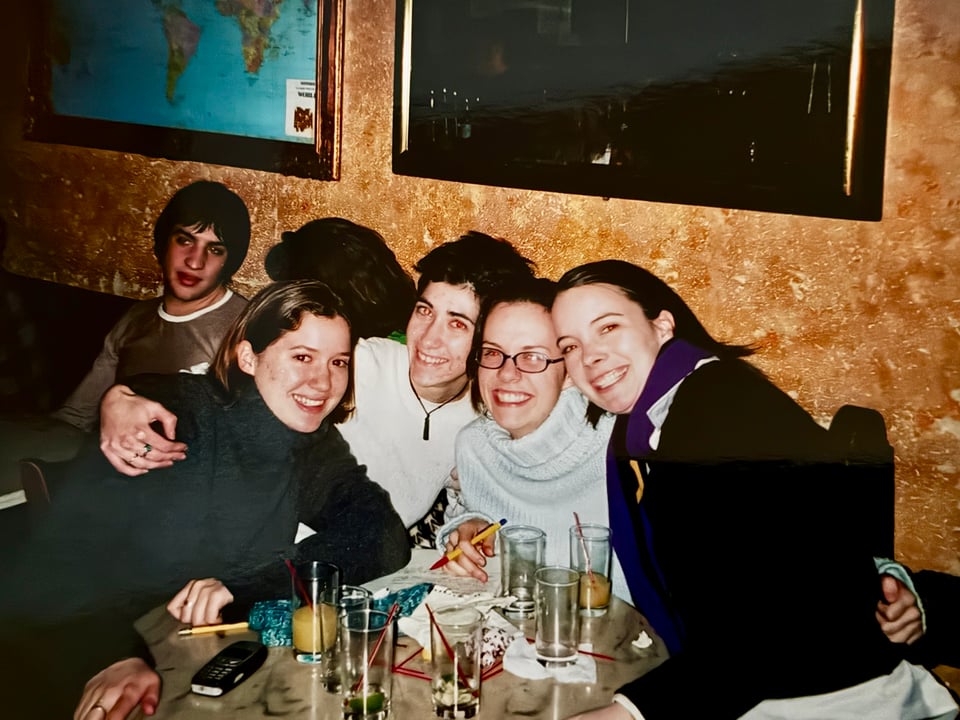
It was frustrating, but in some ways I didn’t care. The same year, I went on vacation to New York and met up for the first time with some of my fellow fans in real life. This was a wild thing to do at a time when “meeting strangers from the internet” was still considered mostly a way to get axe-murdered or to find out you’d been catfished by a middle-aged man. Even though my fellow West Wing fans were academics and med students and fellow lawyers and software developers, I was still nervous as all hell to wait outside a GAP store on the Upper West Side and hope that my internet besties were the same incredible people in real life. We’d only ever communicated online in an era long before voice or video chat. They were, of course, and we’ve stayed in each other's lives through births and deaths, marriages and divorces, promotions and career changes. I’ll happily tell people now that I met a friend “through fandom”, and I’m sad that even today, not everyone feels they can do the same.
Most mainstream fan coverage feels to me a little like those horrifying TLC shows. My Strange Addiction purports to be a documentary series about people struggling with difficult compulsive behaviours, but instead becomes a point-and-laugh making people out to be freaks, like this woman who recently went viral for being obsessed with her (abusive) AI boyfriend. (And look, I don’t know if this is all a deliberate ploy by her to get her fifteen minutes, but at a time when AI psychosis is real, this feels like a fraught way to depict it).
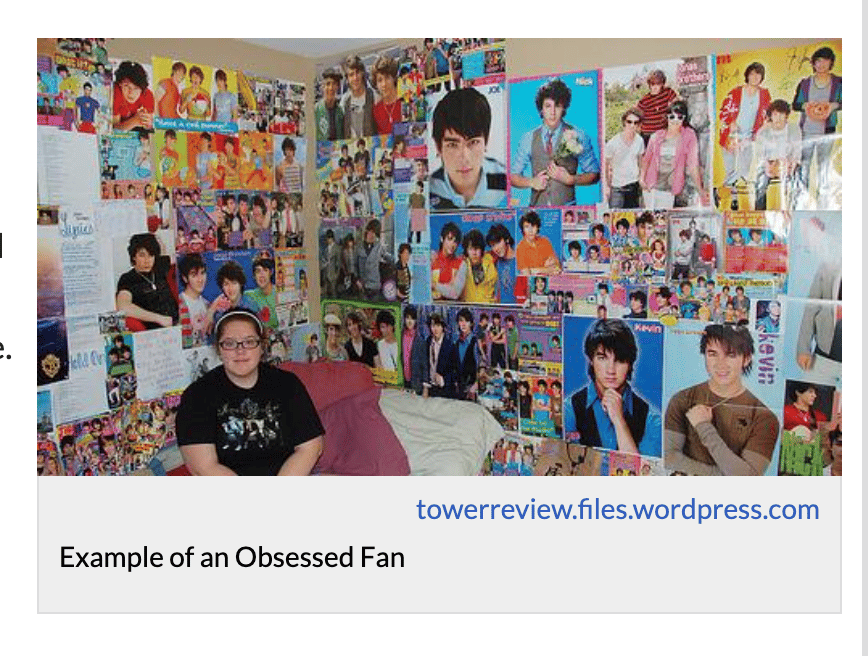
Fandom coverage always wants to point to the fringes: the person who has made a star their entire personality, and owns every piece of merch or poster or trinket. The point of it is always “look at this freak, at least you’re not them.”
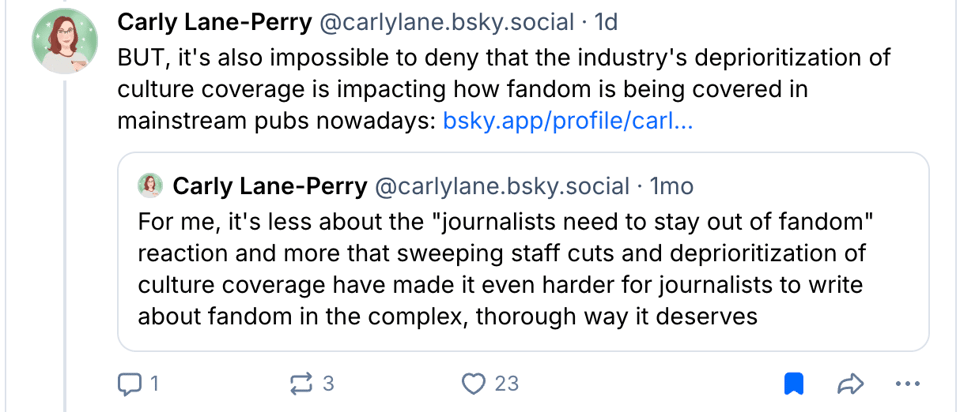
As Carly-Lane Perry notes, much of this is recently is a result of newsrooms being hollowed out, culture coverage being deprioritised and people parachuting in to write these kinds of stories:
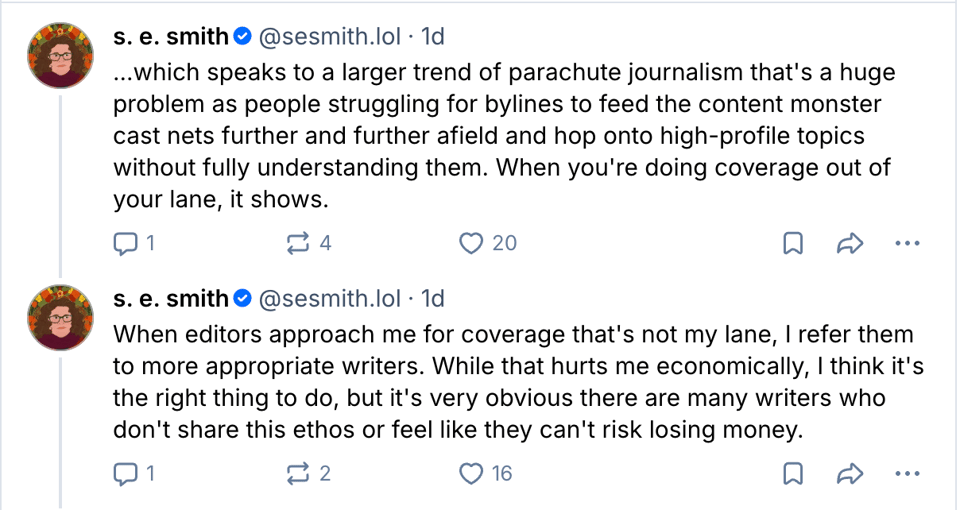
And to go further, as s.e. smith says, the right thing to do is often to get someone else to write the piece, but that’s not the economic reality for a lot of people.
So, what’s the answer? To go back to Bell’s piece, “Fandom is no longer automatically treated as niche. But greater visibility does not necessarily mean fans want every part of fandom translated for people outside of it. There is a difference between covering fandom and exploiting it.”
It might be too much to hope that every time an article is commissioned, someone knowledgeable gets to write it, but at a minimum I think we should be able to expect consent from everyone whose fanworks are featured. “Fan fiction, especially, has long functioned as a place to test ideas about gender, sexuality, romance, and power in a relatively low-stakes creative environment,” writes Bell, and that means you can’t just throw these creators under the bus by putting their work on blast in mainstream publications.
And ultimately, I think, more and more recognition that these spaces have their own norms and etiquette. The same way you wouldn’t wander onto into a religious community without learning whether you need to take your shoes off or cover your head, you shouldn’t decide it’s a great idea to show a celebrity on the red carpet someone’s story about them. And ethical journalists understand that.
The coverage will keep coming. Fandom isn't going to get less culturally powerful, and newsrooms aren't going to suddenly get better funded. But the floor here is not high: ask permission, find someone who actually knows the space, and understand that "publicly posted" is not the same as "up for grabs." The last thing we need is more tourism with a byline.
more good stuff
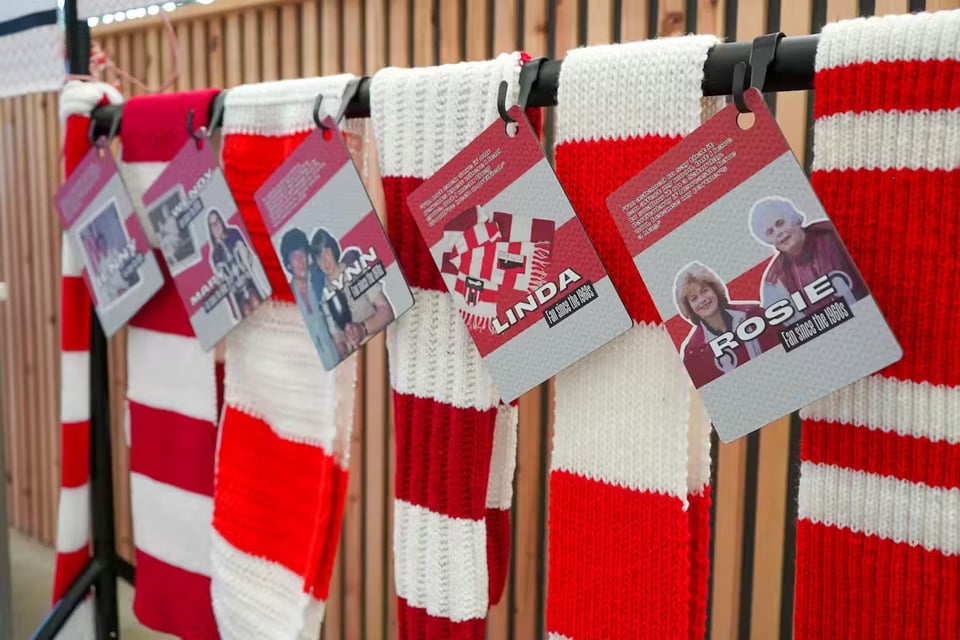
I wish I was in the UK at the moment to visit this exhibition dedicated to generations of female football fans.
Also in the UK, I was super-inspired to see this: County Cricket Day:
County Cricket Day is a fan-led campaign to celebrate County Championship cricket, and encourage as many people as possible to attend on Saturday 16th May. It's inspired by (but not affiliated with) Non-League Day, which for over a decade has worked to attract fans to football games at the lower end of the pyramid, and has helped spark a renaissance at that level of the game. County Cricket has a lot in common with Non-League Football: it’s affordable, it’s at the heart of local communities, and it provides matchgoing fans a relaxed environment to enjoy games in the way they want to.
At a time when fans are getting priced out of elite sporting events (see FIFA), this feels like an awesome response.
OK, let’s just keep the British theme going. Loved this piece in The Nerve about a young Pet Shop Boys fan, and a forthcoming exhibit about the kinds of bedroom shrines I referenced up above:
“It was really about reframing the idea of the ‘crazy fan’ and putting focus on the emotional reasons why we keep objects,” explains Holy Pop! curator Tory Turk. “What makes us human is to love, to feel – and a lot of our spirituality is placed in the tangible, especially if we’re not religious. It’s about feeling and uplifting, through the process of homage. There’s something innate about that stillness and care when you move or arrange objects.”
finally, in my lego city

Forward this email to someone who is in the UK and can go to any of those great events.
You just read issue #69 of what you love matters. You can also browse the full archives of this newsletter.


Add a comment: