

I didn’t write yesterday because we had a general election in Aotearoa, and our rules are that you can’t do anything that might be perceived as encouraging someone to vote until the polls close, and I wanted to see how the results unfolded. Unlike the blue wave in the US, we had a very strange and muddled outcome, and the result won’t be clear for some time, but in the wake of the absolute shellacking the right took in the US I’ve been thinking about what it means for our lives online.
I gave up on old twitter a long time ago. I don’t think you should hang out places where the owner’s chatbot produces csam, and nazis are welcome, even if the jokes are good. But I really noticed lately how many people, particularly journalists and pundits, are still hanging out over there because they have audiences and think it matters. And then last month, it suddenly became fashionable to say that x the everything app was “back”. John Gruber, the apple blogger (is that even a thing any more? no) announced his return, saying:
You may not like it that X has re-found its footing under Elon Musk’s ownership, but it has... There are hundreds of interesting people and accounts I follow that post on X very regularly and do not post anywhere else at all.
Also, he described the culture on x as “friendly and inclusive”, something only a white man could write. The same week the Center for Studies of Organized Hate released its report on dehumanisation and threats of violence against Muslims. The study found that almost two-thirds of reported posts that threatened violence against Muslims or dehumanised them were still up after being reported. The study also found that posts from paid subscribers were removed at lower rates than posts from ordinary users. Anti-South Asian hate speech on that platform has surged by 240%. But whatever, the memes, I guess.
Anyway, underlying this was the sense that the libscolds of bluesky were living in their own little bubble. That noone cared as much as we did about, idk, trans rights or whether people should be able to use the r slur. And that the real town square over on twitter reflected the voting populace.
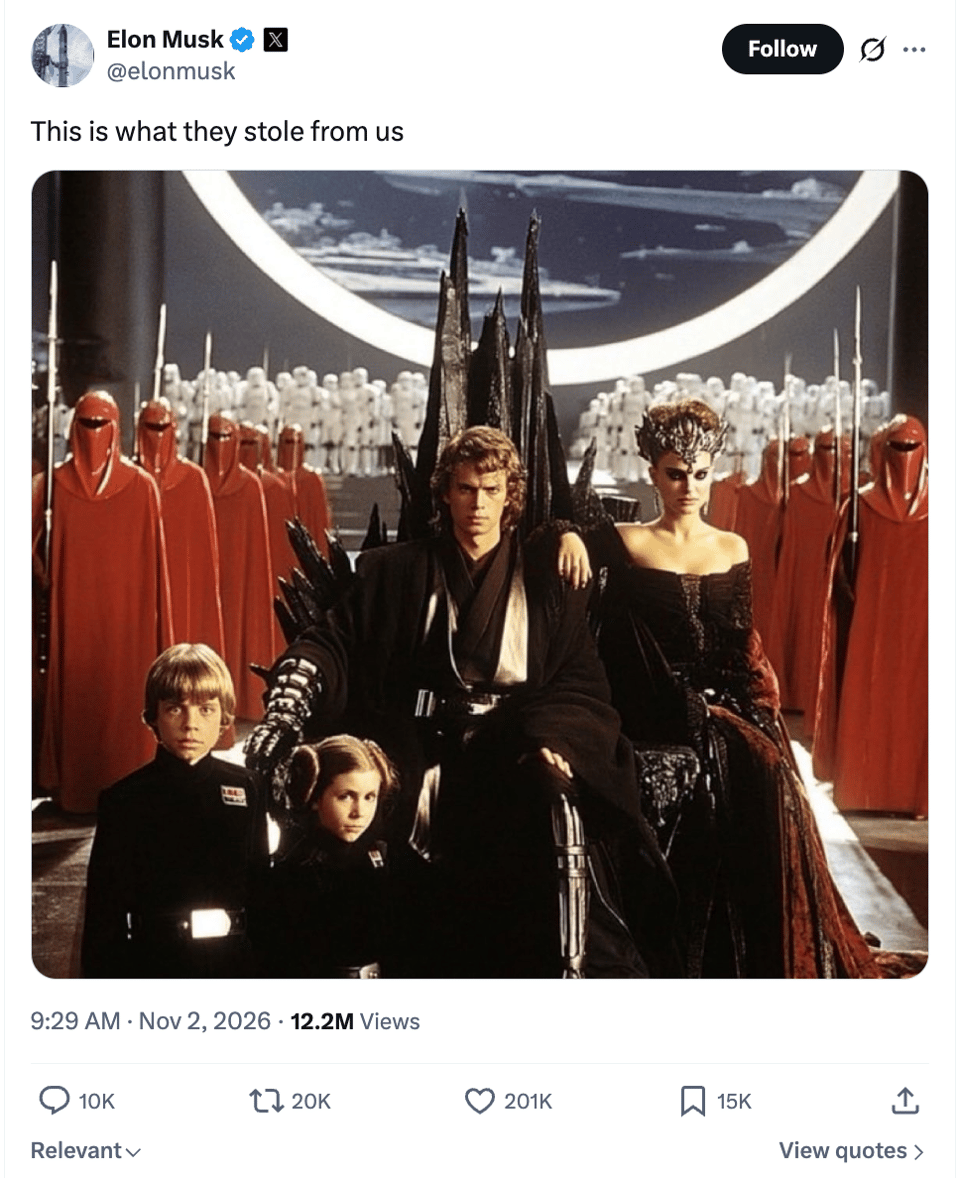
This week showed them just how wrong they were. 404media called it a “profound misreading of the political and cultural moment”:
It has been said many times that “Twitter is not real life,” and that posting too much anywhere will rot your brain. Never has that been more apparent than now: Much of Trumpworld spent the week before an election in which they would get utterly trounced using AI to generate barely legible Anakin and Malfoid memes for an inconsequential ingroup on the social media platform run by the biggest loser on the planet.
[btw If you’re thinking that I, your fannish correspondent and former Drarry fanfic author, is going to explain Malfoid to you, you’re wrong. Your braincells don’t deserve that]
So, all the bros of big tech have been cooking their brains in this horrible little cesspool, inventing idk genetically modified military dog startups, and then they discovered on Tuesday that actually, they hadn’t been living in the “town square” after all, as the US voting public told them to get in the sea. Elon spent half a billion dollars to get spanked, so I guess that’s nice.
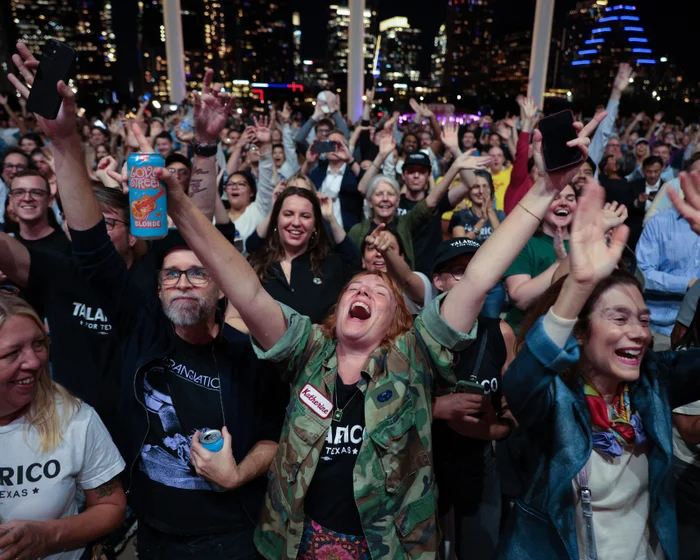
There are myriad ways this is going to make life better for people in the US and by extension the rest of us, but when it comes to technology I think there’s some really interesting things to watch.
The first is the utter rejection of AI and data centres. In Semafor:
American voters roundly rejected data centers nearly anywhere they were on the ballot Tuesday, a rebuke sure to rattle investors already growing skittish about the AI buildout. Residents in more than 30 localities across nine states voted for moratoriums, outright bans, and other measures, some in direct response to specific projects underway.
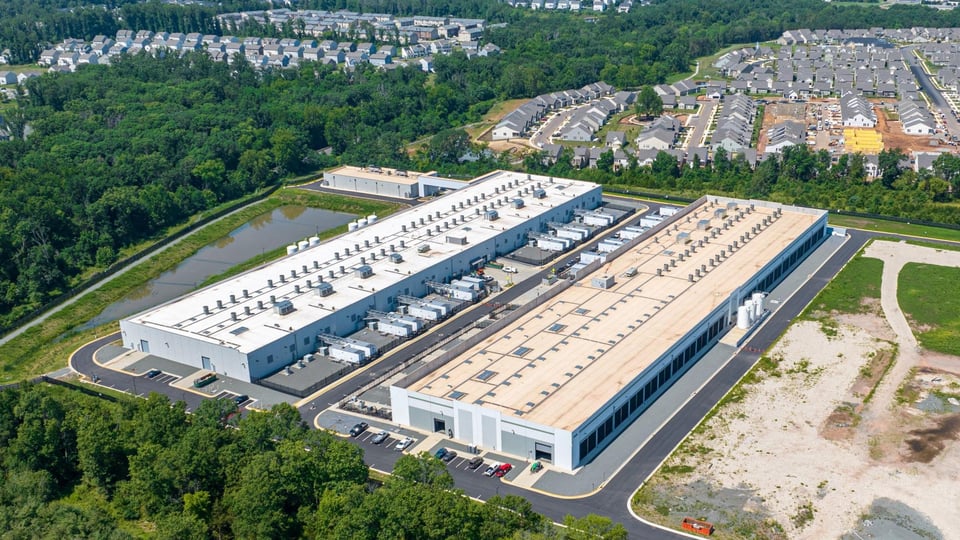
In The Nerve:
Data centres are therefore not some niche line-item issue: they are a microcosm for some of the chief dynamics that were at play in this election cycle: distant, elite interests trying to steamroll communities they had never been to, for their own extractive benefit, and acting with impunity and unaccountability in doing so – and ultimately, getting shut down when met with actual democracy and on-the-ground organised opposition.
The second is the consequences big tech is going to face for spending the last few years cosying up to the Trump administration. Democrats have already announced that they intend to investigate corporate corruption, which is going to include things like donating to the stupid ballroom. And it’s likely that antitrust breakups are on the horizon. Back in August, the Journal reported:
Some companies are creating internal task forces to game out responses to potential congressional inquiries, particularly regarding their substantial financial support for Trump and his political operations, according to people involved in the discussions. Meta and Palantir are among the companies whose executives and advisers have discussed the likelihood they will face requests for information, future congressional hearings and even subpoenas, people involved in the discussions said.
"Lawyer up," Rep. Robert Garcia, the top Democrat on the House Oversight Committee, posted the night of the election (sadly, on twitter).
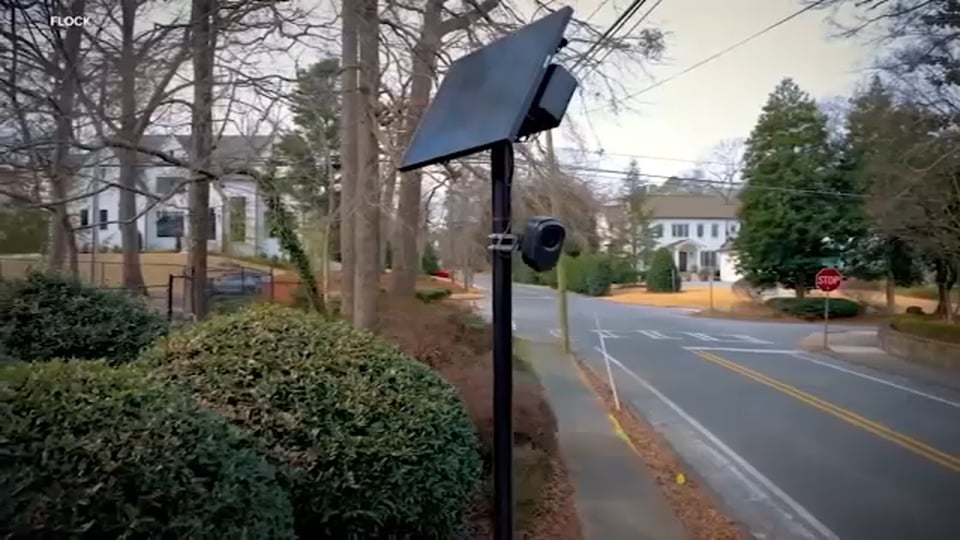
The third is surveillance. Flock Safety, the company that has spent the last few years bolting licence plate readers to poles in more than 4,000 US cities, had a terrible week. In York, Maine, 72 percent of voters chose to remove the town’s cameras and require a public vote before any new surveillance tech goes up. League City in Texas voted to rip its cameras out, and the city said removal would start the day after the election. That comes on top of at least ten local governments that have dropped or restricted Flock since the summer. What I find most interesting is who’s angry. The pushback comes from the libertarian right as loudly as from the left: Republican Thomas Massie has a Flock-Off Act, Democrat Jeff Merkley has a Ban Flock Act. It turns out you can unite a deeply divided electorate around the idea that they’d rather not be tracked every time they drive to the supermarket.
I’ll be honest, for the last few years writing about tech has mostly felt like writing obituaries. Every week another thing I loved got enshittified, or sold, or turned into a vector for harassment, and the people responsible seemed to face no consequences at all. They had the money and the platforms and the ear of the White House and a raft of chatbots that would tell them they were geniuses. It started to feel like the future was something being done to us. What this week showed me is that it doesn’t have to be. None of this fixes the internet overnight, and the money will regroup and I’m sure I’ll be back here in a few weeks writing about some fresh horror. But for the first time in a long while, the people building the future have been reminded that they need the rest of us to agree to it. It turns out we can say no and I think I’d almost forgotten that was possible. It’s nice to be reminded.
more good stuff
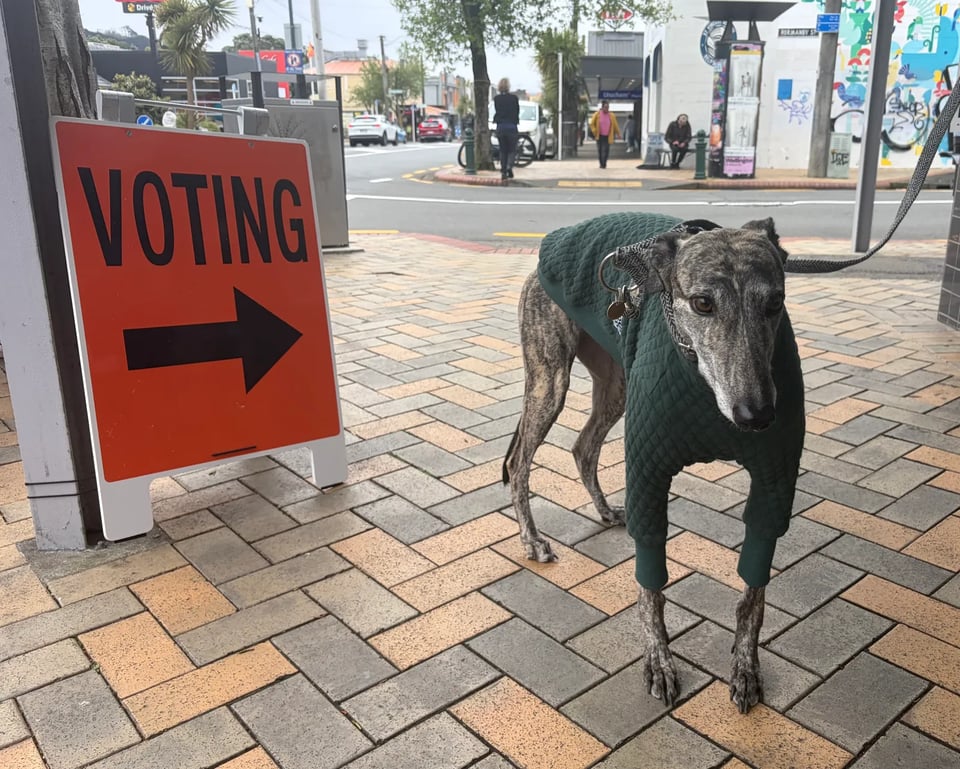
because we’re not allowed to post on election day, we’ve developed a bit of a tradition of posting pictures of dogs at polling places. Here’s a collection of good doggos.
this was a nostalgia punch to the gut. Did you also love letraset as much as I did??
Before personal computers, "the most democratic way to set type" was rub-down lettering. @stewf.com from Letterform Archive explains how it empowered everyone from zine makers to the Black Panther Party. #museumpodcast #lettering #letraset #typography #design
— Call 'Em Like Museum (@museumpodcast.bsky.social) November 03, 2026
Loved this defence of the dilettante. Very me:
In other words, take away the neo-classicist presumption, and suddenly the dilettante appears less like an imitator and more like a liberated creator. It’s not that the dilettante falls short in any given practice but, rather, has a different orientation toward it. Indeed, an overly goal-oriented attitude, especially in the realm of pastimes and pleasures, cuts against the very spirit of dilettantism. Part of its appeal is its ethos of open-endedness, its willingness to do something for the sake of delight rather than achievement. The dilettante is comfortable in the garb of an amateur. For the dilettante, every night is karaoke night.
finally, in my lego city

Forward this email to someone who struggles to spell blunami.
You just read issue #99 of what you love matters. You can also browse the full archives of this newsletter.


Add a comment: