

Yesterday the unthinkable happened and Archive of Our Own was taken offline by a security incident that may take weeks to resolve.

It was only a few months ago that I wrote about the internet’s “load-bearing shelves”, and how, in an age where internet security is becoming increasingly fraught, our older, volunteer-run infrastructure doesn’t really stand a chance. So it was pretty horrifying to have my literal favourite place on the internet suffer this exact fate.
I talk about AO3 in almost every keynote — because it’s this shining example of something truly community-made. And it’s hard to overstate what an impact it has had. It currently hosts over 18m fanworks (I think, I can’t check). Fortunately the current update from the team says “no AO3 data has been deleted. All your works, bookmarks, kudos, etc., are safe.” (THANK GOD).
I interact with AO3 every day. I get automated emails when people have encountered the stories I’ve written — and there is literally no greater dopamine hit.
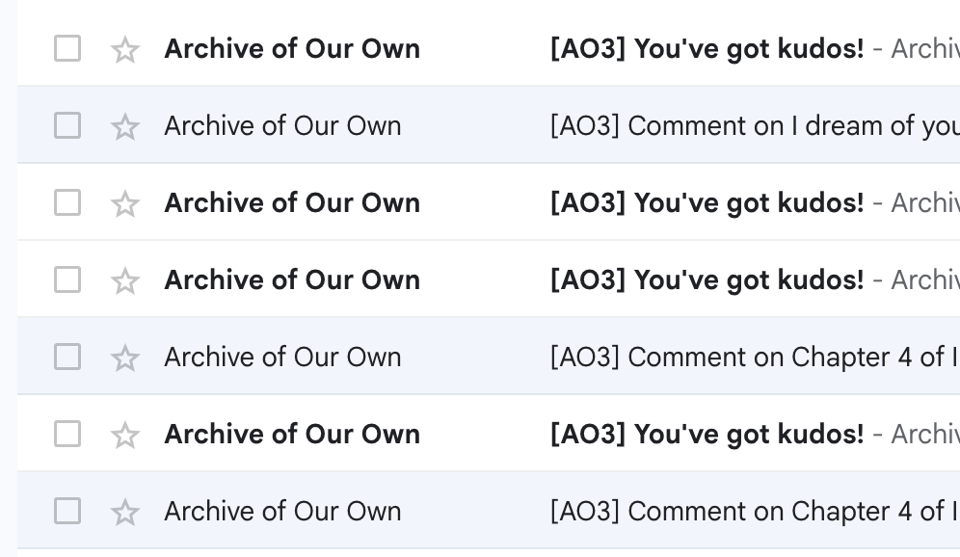
And I get a constant stream of notifications that my favourite authors and stories have posted new things for me to devour.
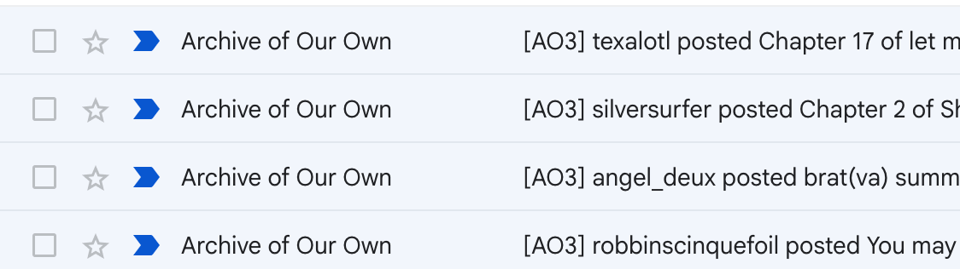
So the idea that this is just gone for weeks hit the internet like a shockwave.
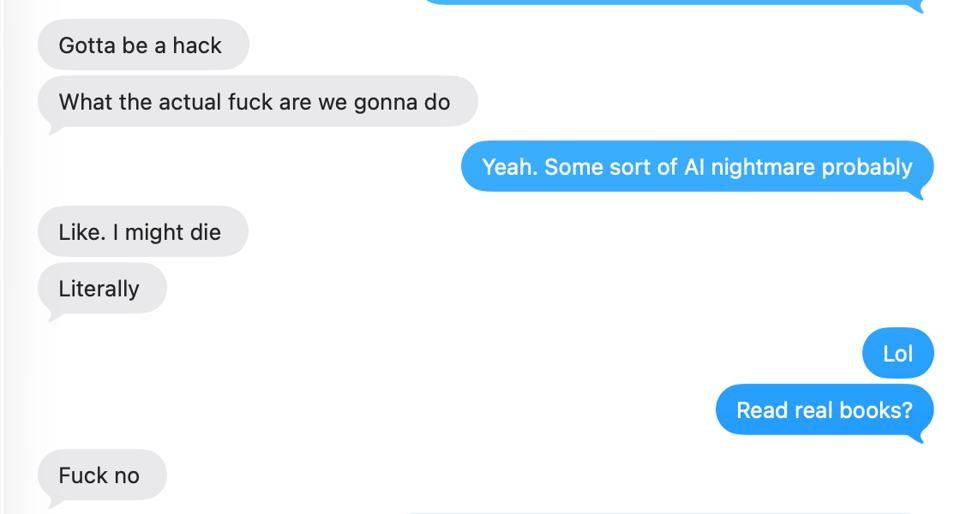
I also talk about AO3 a lot because it’s an outlier in that it was set up to be a non-profit deliberately so that it never had to make compromises about the works that it would archive. I talked about that history at length in The Good Internet. That history remains relevant today because there are so few places left on the web that operate free from commercial imperatives and the censorship that those imperatives entail. A couple of months ago, Wattpad (a commercial hosting site for fanfic and original stories) updated its terms of service to further restrict what could be posted on the site, leading to a couple of days of tiktok frenzy about “wattpad refugees” heading to AO3. We’ve become so inured to corporate censorship online that we’ve developed a whole new lexicon in algospeak, just accepting that our online overlords get to tell us how to talk. It’s wild.
Meanwhile, fandom continues to increase in mainstream economic power, and AO3 has become the place where publishers and studios and producers and editors are trawling around looking for the next big thing. If you didn’t see Heated Rivalry coming, you for sure know that the place you were supposed to be looking is AO3.
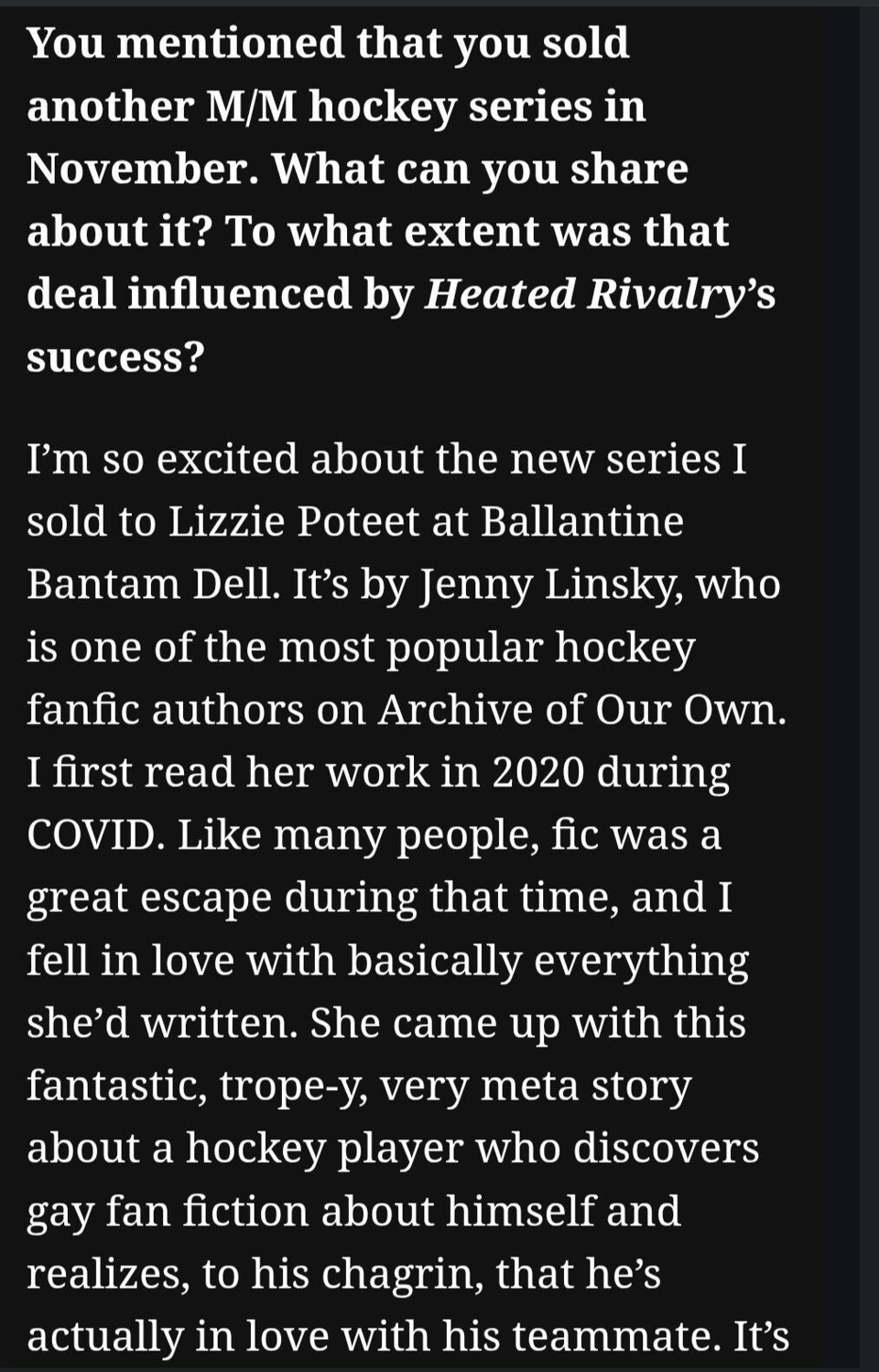
Relatedly: Elizabeth has written a great deep dive over at Fansplaining this week about the trope-ification of everything.
Think of all the places we find trope labels today that might have seemed…surprising in 2016. Book marketing with lists of tropes in cutesy lettering. Bookshop displays pegged to things like “slow burn” or “only one bed.” Pages upon pages of Etsy results for a given trope—yes, these days you can sit down to read your favorite enemies-to-lovers novel attired in head-to-toe “enemies to lovers”-branded apparel. Terms that were once mainly associated with character-based tropes and romantic fanfic have leapt to pro romance, science fiction, fantasy, and other crossover genres; now, we’re even seeing them invoked around television and film. And alongside this massive mainstream spread—and for many, embrace—of trope language, there’s also a steady counter-chorus of complaints from fans and non-fans alike about tropes’ reductiveness, and disdain around the “AO3-ification” of pro-publishing genres.
AO3 is a powerhouse. Bestie La’s kid revealed yesterday in the wake of the news that their friends call them “M with the AO3 mom” because none of their mothers have AO3 accounts. (“That they know of,” retorted La). It’s a generational archive now. Fortunately fans are resilient and are already creating survival guides, fic sharing groups, google drives and spreadsheets to get through this apocalypse.
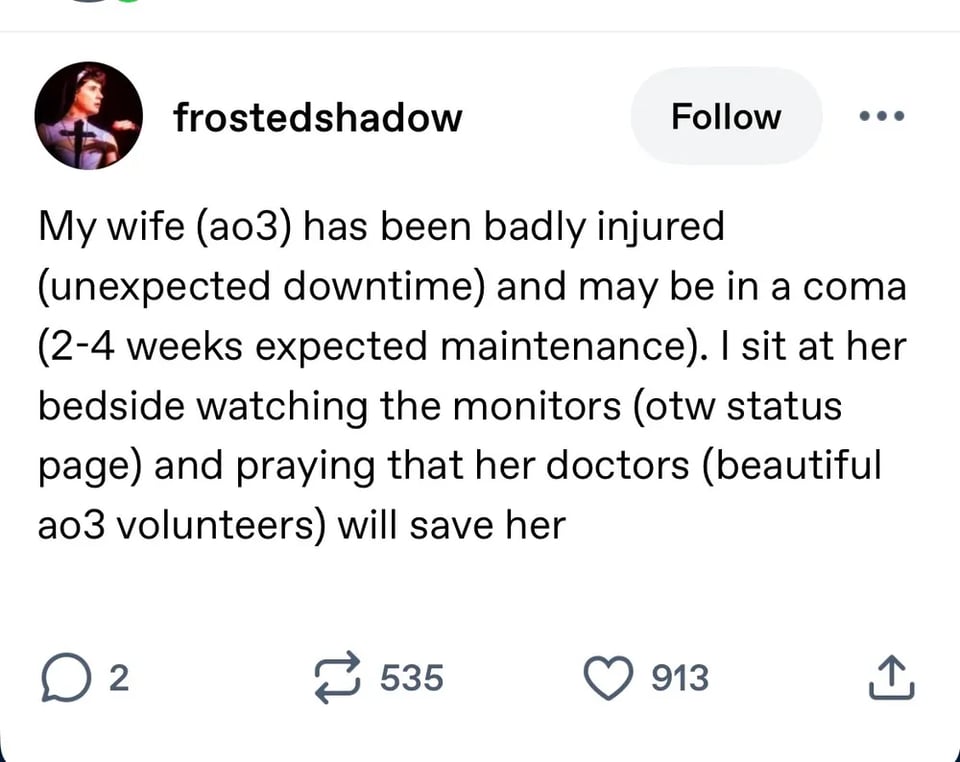
We don’t know yet what happened to AO3, and yesterday was also the day that a North Korean cybercrime group stole $3b (yes billion with a b) from Binance. (Full write-up from Molly White here). Mind you, as Alex likes to continue to remind me, the British Library suffered a cyber attack in 2023 and still hasn’t recovered. Devastating hacks are probably our new normal. Rusty has a great write-up this morning about all of this month’s security incidents (the internet’s Eternal Black October).
The problem with A.I. defense is the same asymmetry attackers have always had against defenders. After a hotel bombing in Brighton, England in October, 1984 that failed to kill Margaret Thatcher, the Irish Republican Army put out a statement that said “Today, we were unlucky. But remember we have only to be lucky once. You will have to be lucky always.“ As it turned out, Margaret Thatcher was lucky always, but there’s no reason to believe the rest of us will be. If an A.I. hack attempt works one time out of a thousand, that’s a fantastic success rate.
So, for now I think the best thing to do is donate to the Organisation for Transformative Works. If you, like me, are staring down the barrel of a few weeks of nothing to read, pay the volunteers who are working to bring it back. I didn’t especially want to be proven right so soon about the fact that we’ve built some of the most important cultural infrastructure of the century on the goodwill of volunteers, and then expected it to hold the line against the same people who can walk off with three billion dollars in an afternoon. I hate that proverb about living in interesting times.
more good stuff
struck again this week by that absolute grand canyon between the experience software developers (and by extension the whole silicon valley ecosystem) is having with ai, and the experience everyone else is having. ai-assisted coding makes you feel like you’re superhuman and you’re more or less right. But relying on it to do something like taper your critical medication is a tragedy.
fascinated by these plans by the Apple Corps (the other Beatles-owning Apple) for a huge new Beatles experience in Liverpool. Which is also how I learned Sam Mendes has four biopics coming out?!

i was never a Torchwood fan but delightful that the fan shrine to character Ianto in Wales has apparently been saved after a fashion, and is being turned into an art piece.
finally, in my lego city

Forward this email to someone with a book rec for their AO3 downtime.
You just read issue #98 of what you love matters. You can also browse the full archives of this newsletter.


Add a comment: