

Hello 2026 and welcome to a bunch of new readers, I’m so delighted to have you here. Last year, I found I’d get a little influx of new fandom and pop-culture readers after I wrote something in that arena, who then unsubbed when I wrote about the future of the internet, and a bump of technology readers who unsubbed when I wrote about Taylor Swift. All I can say to that is: why not both dot gif. Here’s my plan for this year. I will be no more consistent! I’m always thinking about culture AND technology AND gay hockey players AND surveillance capitalism AND astronauts AND the independent web AND Harry Styles. So, more of all of that.
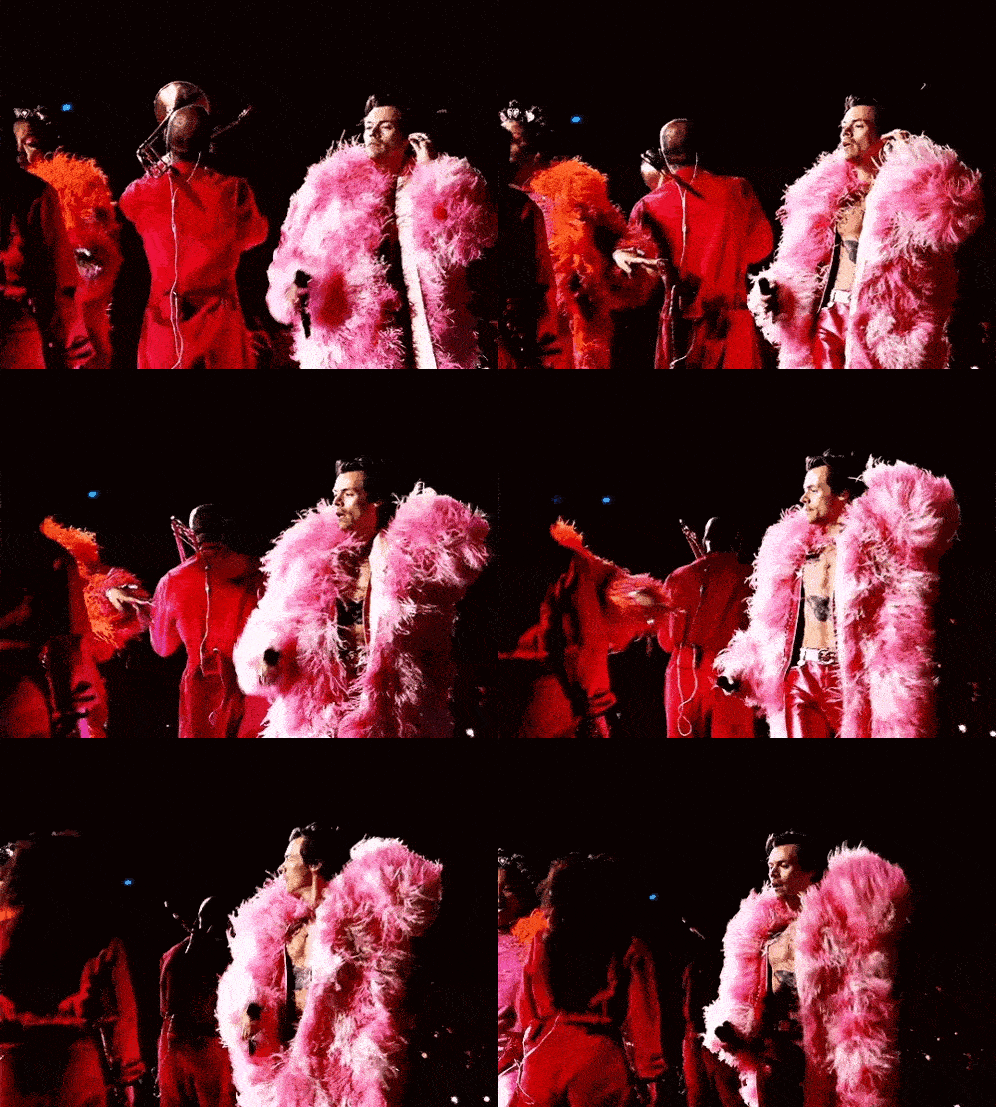
While Heated Rivalry has consumed everyone’s brains over the break, there was another massive television moment that played out with the fifth and final season of Stranger Things airing. I watched it with my godkids who were obsessed with the show, and I loved the soundtrack, and then I more or less moved on in my head.
But within days, my fyp was filling up with a very familiar-feeling set of posts. Some fans of the show were doing close reads of the final episode and claiming that there was more to the story than the happy-ending epilogue that had been presented. I’ll try and write the rest of this post without overt spoilers, but if you’re holding off learning anything at all about how this show ends, skip to the “more good stuff” section below.
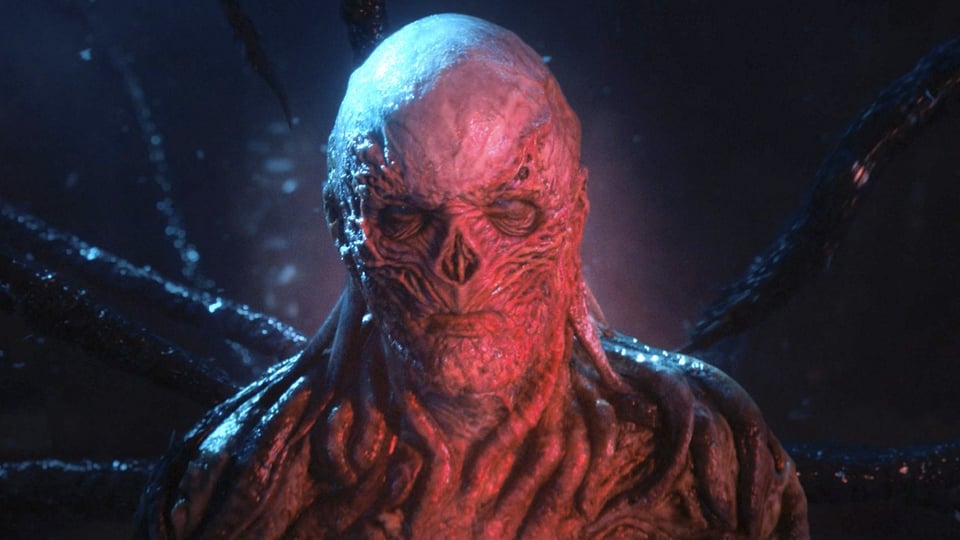
The videos that started to coalesce around the hashtag “conformity gate” presented increasingly far-fetched evidence that the the finale that aired was not really the last episode of the season. Instead, these fans argued, it was an easter-egg filled piece of mind-control from the show’s villain, Vecna. And a real final episode would drop out of nowhere a week later. As the Guardian summarised:
Explaining the labyrinthine intricacies of the “evidence” cited by Conformiteers would take thousands of words. Essentially, it involves some people sitting with their hands in their lap wearing orange graduation gowns, too many people wearing glasses, a roll of dice totalling seven, a dial changing colour, a wonky milkshake-timeline, strategically positioned exit signs, a woman having short hair, a door handle switching sides, a character missing some scars, and one of the characters remarking that the town of Hawkins “feels different” – hardly surprising, as it’s no longer full of murderous monsters, cracks in the earth, and a psychopath made out of tree roots.
You can find clips of the “evidence” gathered here. Fandom olds let out a collective shudder when we saw this, because this is not the first time dedicated watchers of a show have convinced themselves that there’s a secret unaired episode that will give them everything they want.
In 2014, some fans of the BBC’s Sherlock became obsessed with the idea that there was an unaired final episode in which John Watson and Sherlock became a couple. Dubbed the Johnlock Conspiracy, fans who had become convinced that their fave ship would be made canon went so far as to believe that a completely unrelated show airing after Sherlock finished was fake and a cover for this “lost special” episode that would then air revealing the truth. Slate’s Decoder Ring pod has a good episode on all of this.
There’s a lot going on here. The obvious reading is that over the years fans have become more and more entitled. Expecting that showrunners and creators will bend to their will, delivering exactly what it is they’ve been clamouring for.
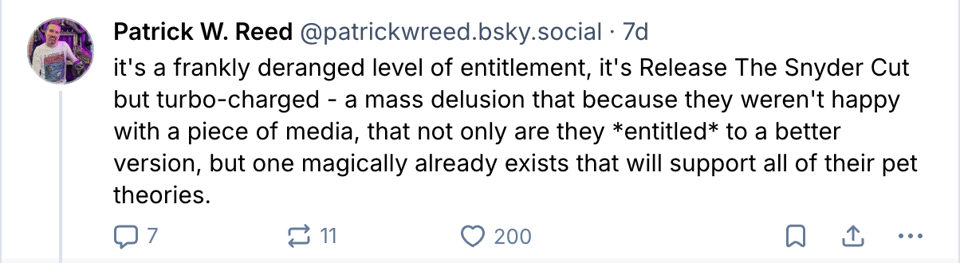
But as Aja notes:

The truth is the media ecosystem is often trying to encourage exactly this kind of close reading. Taylor leaves easter eggs for her fans. Harry’s roll-out for HS2 had a whole tourist campaign for an imaginary island. A whole generation has been brought up to assume that everything they see is Chekov’s gun. Is it any wonder, then, that they are constantly thinking there might be more to the story?
Often (but not always) this kind of fixation is born out of shipping. As we talked about when we discussed the hot firefighter show, fans spend an inordinate amount of time searching for that validation from “official” sources, on poring over the signs and signals, on wanting to be proven “right”. In the wake of the success of Heated Rivalry, hot firefighter shippers have been put in an increasingly difficult position. Why wait nine seasons steadfastly believing your faves will come out eventually, when you can just … watch a gay show instead?

But for many Buddies, they’re still sure they’re right. That this will be the season the signs and portents come true. And for many Stranger Things shippers, their fave pairing of Will Byers and Mike Wheeler will finally be together in a lost special episode, even though that was never on the cards. Shipping used to be “I like the idea of these two characters together”. Now it commonly turns into a crusade, and if a show doesn’t deliver then it’s cowardice or queer-baiting or deception or worse. Aja wrote a great deep dive into this years ago that still holds.
It’s what I focussed on in my keynote Everything Breaks at Scale - which was part mea culpa for the attention I devoted to the Larries back in the day and part realisation that we’re all now engaging in this kind of idle conspiracy thinking all the time. Maybe you think Swift is secretly gay, or maybe you think Area 51 does actually have some alien corpses, or maybe you agree that Disney made a movie called Frozen so that people couldn’t find any details about Walt’s cryogenics (For the record I absolutely think Harry Styles called his last album Harry’s House for SEO purposes).
Idle conspiracies, particularly about pop culture or celebrities seem safe and fine, but they set the stage for people believing nothing they see is necessarily true, and they’re an onramp to election denialism, anti-vax, and worse.
A finale is basically a controlled demolition: it collapses all the possibilities that you were holding in your head about what might happen. If viewers wanted a different emotional outcome, conspiracy keeps that possibility alive. The impulse is human: we love things, we want them to continue, we want them to love us back.
But that’s what transformative fandom is for. The Stranger Things “fix-it” tag has over 14k stories and counting. You can make the ending anything you want it to be.

As for #conformitygate, well nothing deflated that balloon faster than Netflix releasing a documentary about the filming of Stranger Things’ last season, in which the showrunners reveal they went into the finale without even really knowing how it would end. There was no grand plan. The signs and symbols didn’t mean anything. A door knob was just a door knob.
Which, honestly, should be liberating. If there isn’t a hidden “true” ending, then there’s no need to spend a week hunting for it. The text is what it is. The rest is what we make in fic, in edits, in playlists, and in the conversations that outlive the credits.
more good stuff
-
way back in March I wrote about artist Katherine Duclos who makes incredible art out of lego. One of my besties (hi Lillian!) made a note, and when I had a milestone birthday at the end of last year she wrangled all my friends together to commission a work from Duclos just for me! It’s called Trust Your Currents (2025) and I love it.
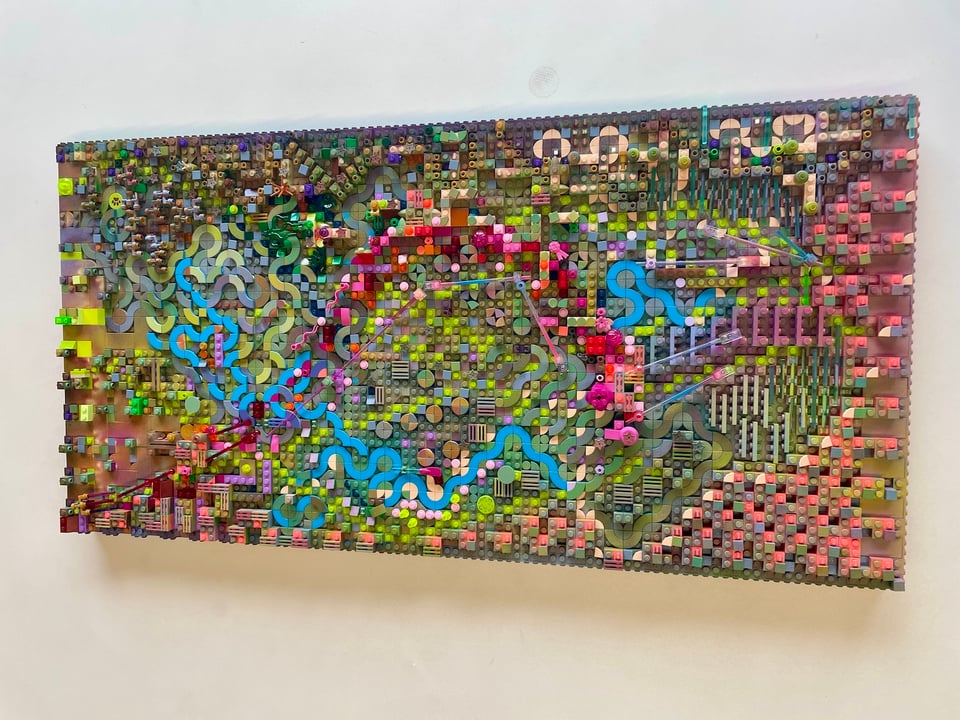
Check out the detail:

- last year I wrote about Little VCR Club, and this reminds me of that. I Want My MTV is a web project by an absolute legend that lets you pick you decade and just have music videos streamed at you like the old days.
- i recently saw true crime-style clips about someone lying about chainsaws and then discovered this gorgeous long read about the trial of the two men who cut down the Sycamore Gap tree in the UK. A really strange and compelling story.
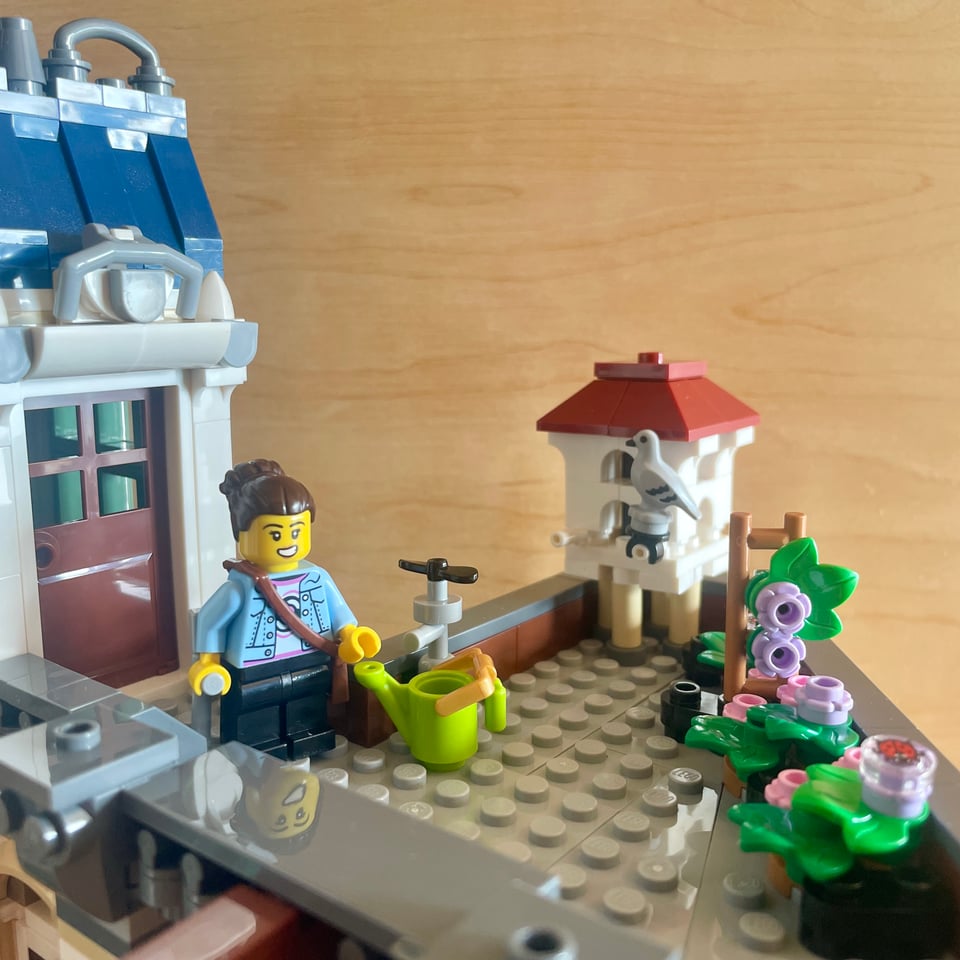
finally, in my lego city
Forward this email to someone who’s recovering from Heated Rivalry psychosis.
You just read issue #55 of what you love matters. You can also browse the full archives of this newsletter.


Add a comment: