

A couple of weeks ago I wrote about attending Sunrise and how much Jae Lubberink’s talk had blown me away. I took a terrible photo of one of his slides:

Hopefully you can read that okay. Essentially, his point was that humanity has been revulsed by significant shifts before, and that each time that nausea has produced a creative renaissance. He was asking what creative renaissance will be produced by the mediocre, generic, flattening experience of generative AI.
Since we announced Lume, I’ve been spending more time on linkedin than I’d like (aside: at my old law firm one of my colleagues who was deeply offline pronounced this as lin-keh-din, and I’ve never been able to stop). I feel like that site is ground zero for AI slop now, maybe even more so than the boomers on facebook sharing shrimp jesus.
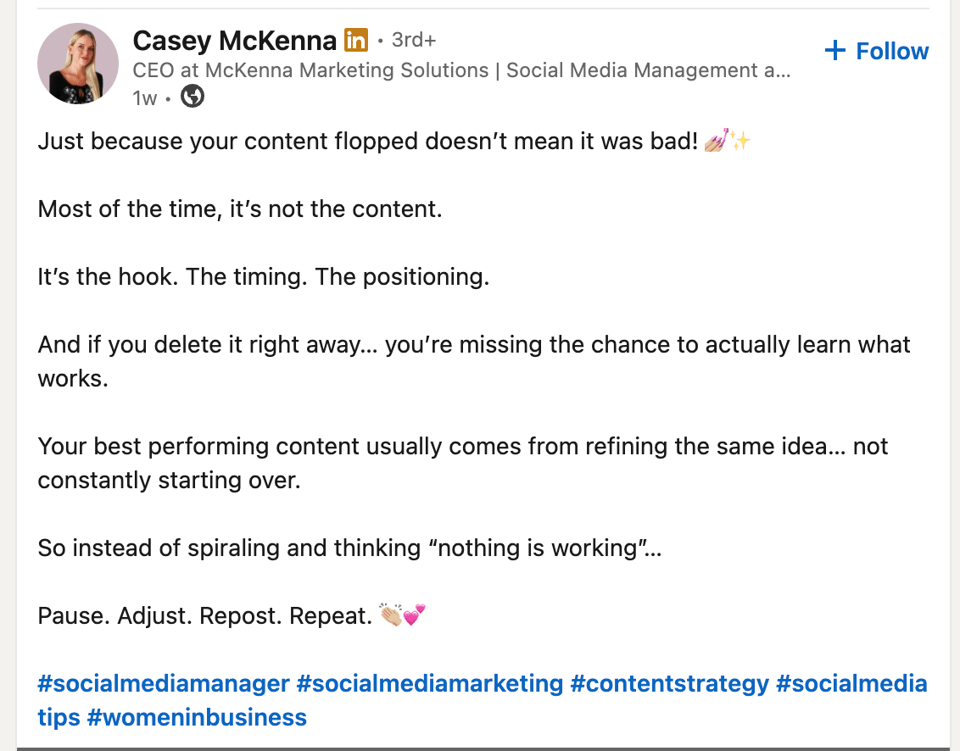
Maybe there are some people who don’t notice, but I think for most of us there is that revulsion. An uncanny valley feeling that just plain creeps us out.

ANYWAY — that’s got me thinking about what the cultural renaissance response might be and whether we’re starting to see signs of it already.
The industrial revolution didn't just mechanise production, it also mechanised aesthetics. Factories could churn out goods that were cheap and uniform and stripped of the marks of the person who made them. The craftsman's fingerprint or that slight irregularity that told you a human being had made this thing had disappeared. The response was the Arts & Crafts movement of the 1860s, which wasn’t reacting to the machines themselves, exactly, but the separation of design from making. It was about bringing back the joy and the beauty of craft.
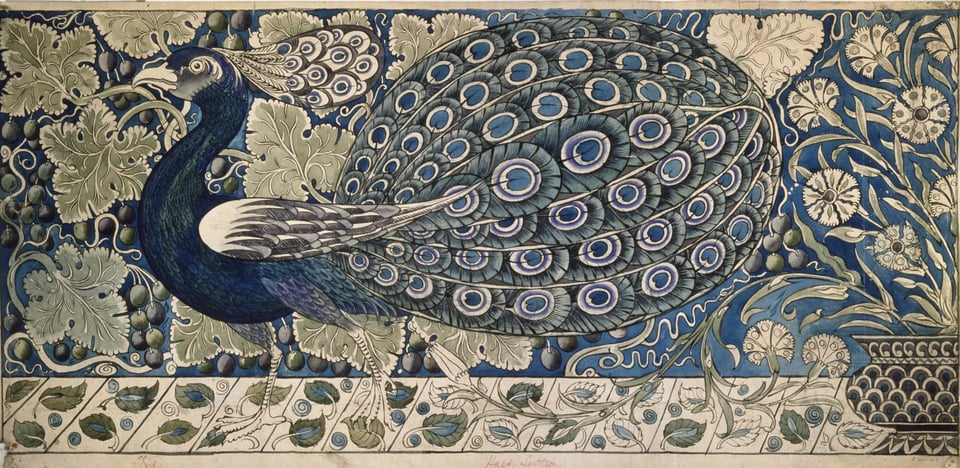
And the things made as part of this movement were beautiful. And they were extremely expensive, and only rich people could afford them, and the work eventually got absorbed back into the decorative arts market it had set out to critique, because as the designs became sought after, cheaper lower-quality imitations flooded the market. And so on, and so on. We’ve heard this story before.
Are you old enough to remember hipsters? Or the sort of meme version of hipsters at least. Man-buns and barista-made coffee and brooklyn aesthetics? After the financial crisis in 2008, there was this sort of mini-wave of arts-and-crafts businesses, which had me waking up this morning thinking “what was that hipster axe?!”
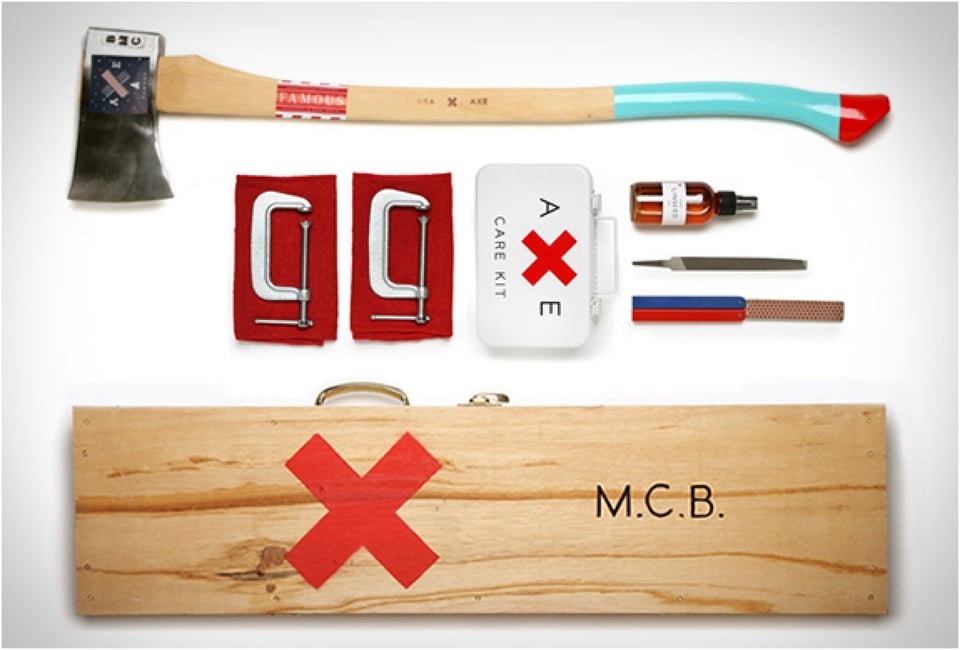
The Best Made Co made the hipster axe. I mean, they didn’t call it that, they called it “auld reekie” for, I guess, reasons. It retailed for like $300 and wound up in galleries and over mantlepieces rather than, you know, chopping down trees or whatever. But it was a whole moment, in the early 2010s. When the word “artisanal” meant something, and then quickly became a joke again (aside: barnes used to joke that the code he wrote as someone who wasn’t a full-time dev was “artisanal” — i.e. pretty bad. what does artisanal code look like now?).
Anyway that idea, of chasing “taste” and authenticity in a digital era feels like it’s newly relevant again. I was thinking about that when I was reading this epic thread from the menswearguy about contemporary uses of traditional Nigerian textiles.

He said:
The rise of AI has made many question the role of human labor. But for people who love craft-based clothing, handwork isn't just about practical effects — it's also about how it connects to makers. See the subtle variations here, which come as a result of handwork.
That hit home to me because I spent covid learning to knit and plowed through an increasing array of sweaters. Bestie frankie said to me one day that I should get a knitting machine so I could make sweaters faster and the idea was horrifying. I was doing it because it was slow and soothing for my covid-anxious brain and because somehow, miraculously, I was making clothes out of string. All the lumpy imperfections were mine.
My friend mike makes his art with wax and razorblades. There’s something incredibly tactile about it. He melts the wax and adds pigment to it. It’s very cool. Computers can’t do that.
It’s the same reason film photography is making a comeback. With all of it’s slower pace and imperfections. When Harry did his One Night in Manchester gig, he made fans pouch their phones but gave out 10k disposable cameras. The photos people took were terrible and also awesome.
Jae's slide labels the current response "romanticise the toil" — and I think that's right as far as it goes but we also know that capitalism will eat it all up. And now we have a race to try and agree on some sort of gmo-free certification that will identify the lumpy human-made sweaters for us.
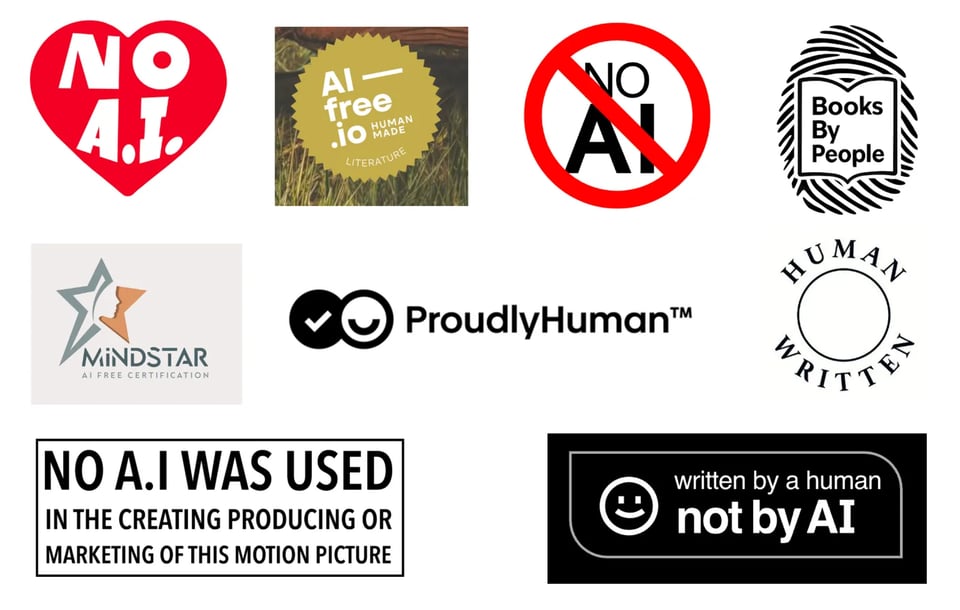
Personally, I love it when I go to read a story on AO3 and the author has tagged it “fuck AI”. It’s probably going to get harder and harder to draw that line over time, but I’m going to keep trying.

more good stuff
-
loved this great deep dive into the modern reaction to Star Wars and how it’s become illustrative of so many aspects of our current tedious culture wars:
That’s partly why discussions about “Star Wars” can sometimes feel vaguely radioactive, even among otherwise normal cinephiles. Depending on who’s talking, “Star Wars” can become a conduit for fighting about gender, politics, consumer culture, media nostalgia, late-stage capitalism, or the precarious state of democracy itself. One nerd sees a hopeful allegory about resisting authoritarianism. Another nerd perceives an attack on their worldview hiding inside entertainment they used to like.
- last year we talked about fan edits (not to be confused with the other kind), where fans recut shows or movies in their entirety, so I was super interested to see this effort, where someone has recut Prometheus and Alien Covenant into one 150min movie (via Ross).

-
The Holy Pop exhibition is now on in London so please go for me and tell me what it’s like!
Walking around the exhibition is funny, moving and occasionally disconcerting. It’s also a mood-boost for anyone who has had their obsessive interest in an artist mocked as childish or sad, or – to strike a personal note – been forced into protracted discussion with their partner as to whether the weight of their record collection might cause structural damage to their home, and whether said collection should therefore proceed on a one-in-one-out basis in future.
finally, in my lego city

Forward this to someone who likes human things.
You just read issue #76 of what you love matters. You can also browse the full archives of this newsletter.


Add a comment: