

One of the things that blows my mind at the moment is the sheer speed with which things can now run the bases of the “discourse”. This week was a case in point, as I went from hearing for the very first time about something, to it becoming the centre of a very particular kind of culture war, in a matter of days.
On Tuesday, my brother messaged me about a new videogame he thought I’d like called Mixtape: “absolutely joyous, music focused, 90s nostalgia game (more of an interactive experience than outright game - but I like it when things challenge what a game “should” be) by a small Australian developer.” On Wednesday, Luce sent me this review in the Guardian:
“Mixtape is set over a single day; tomorrow, Stacy will be leaving her best friends, Slater and Cassandra, and flying to New York as part of a reckless plan to shove a mixtape into the hands of a superstar music supervisor who will, she believes, be so convinced of Stacy’s genius that she’ll offer her a job. Tonight, though, the three friends want to drink, party and enjoy themselves, a plan complicated by messy feelings and the spectre of parental authority.The game’s soundtrack is Stacy’s mixtape, which she explains and dissects with direct-to-camera addresses throughout the game.
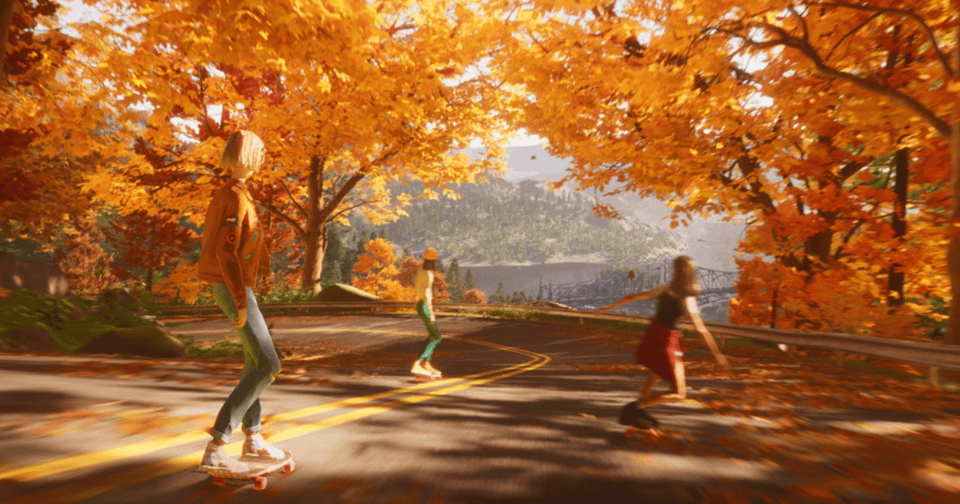
I shared it in our work slack, and our lead engineer Drian immediately said, “Mixtape is my reward this weekend if I get my todo list done for the week.”
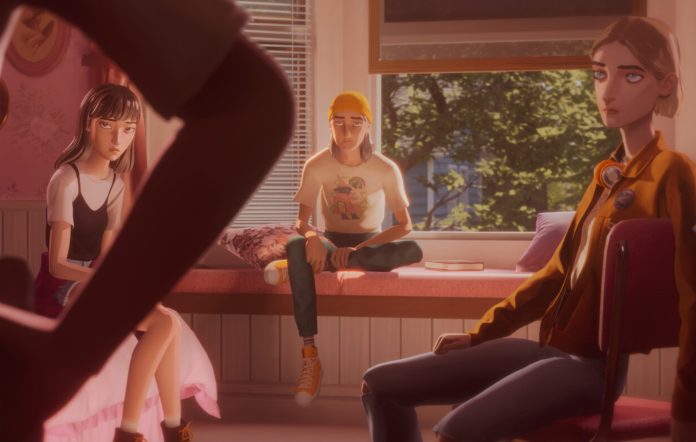
And just as I was getting set to buy it to play over the weekend, my brother messaged again: “Not that you ever need yet another case in point for unhinged, online hate mobs, but the internet seems to have decided to dog pile that Mixtape game I recommended.”
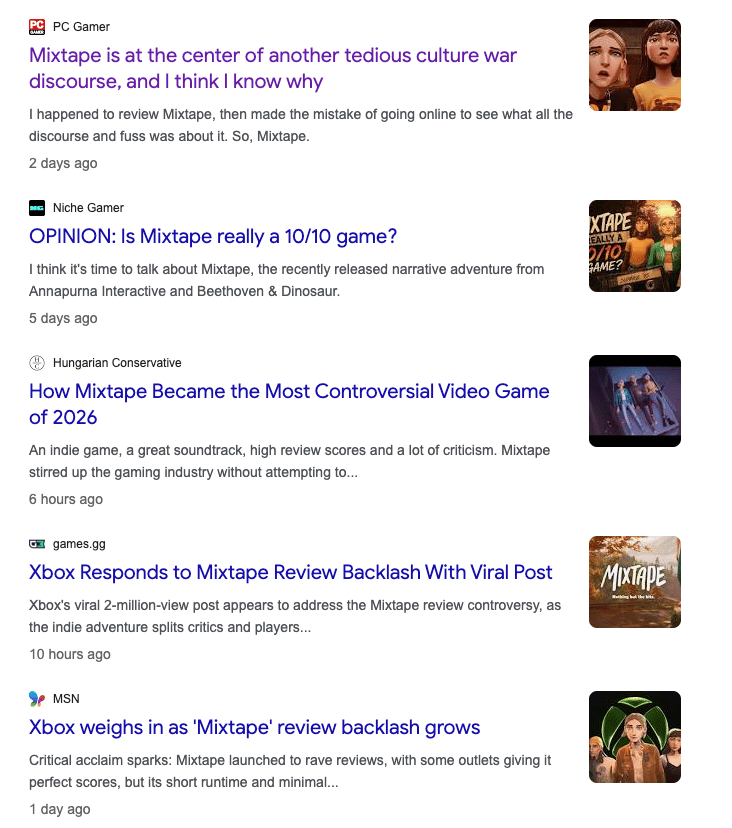
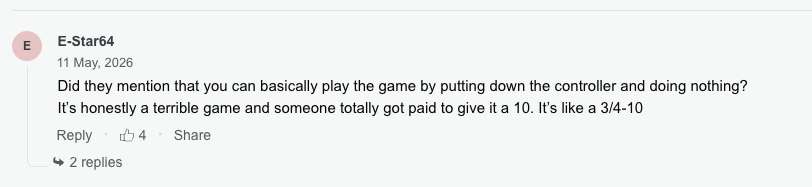
Here’s the guts of the controversy. Mixtape has a relatively short gameplay time (about 4 hours). It’s an interactive adventure, but there’s no “winner”. No baddies to fight, no boss battles to triumph in. The game came out to really positive reviews. Reviewers were “floored by it”. “Plays like a memory you wish you had”. “A musical delight that sets a new standard”.
And immediately (like immediately) a certain subset of gamers decided to throw their toys out of the cot. The backlash is SO boring but I’ll summarise it for you. Critics claim “it’s not a real game” — it’s just art or it should have been a short film or at the very least not reviewed by “real” game sites.
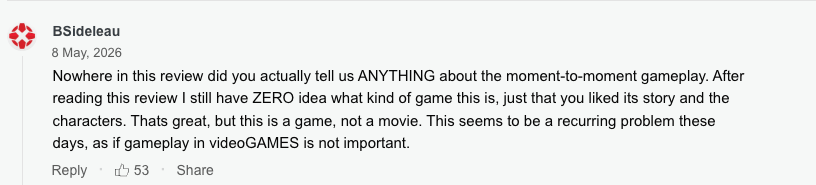
If it’s not a “real game” why are the reviewers giving it such high scores? Must be DEI.
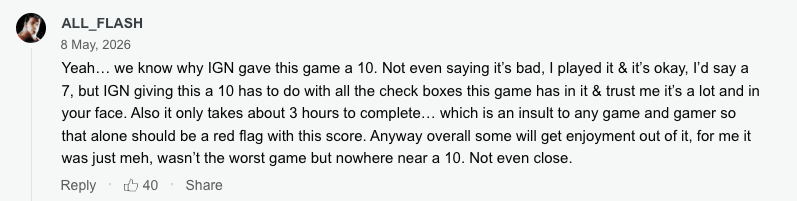
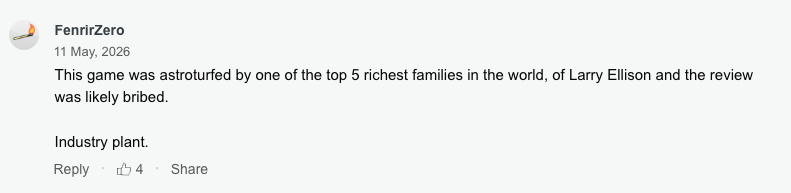
Or worse, someone paid for these reviews. Because the indie developer has a publisher none of this is legit.
Worse still, the publishing company was founded by Ellison’s daughter, so definitely conspiracies afoot.
Look all of this is unhinged and not worth your time. I’m sad but wholly unsurprised. I still want to play Mixtape it’s extremely my vibe. Gamergaters have been at their misogyny for over a decade now. It’s boring.
But last week, to deal with some spiking anxiety, I reset my Animal Crossing:New Horizons island to start playing it again. If you missed this during covid when half the world were trading turnips, Animal Crossing is a very gentle game for the Switch where you hang out on your island and plant and tend gardens and talk to your fellow villagers and fish and whatever.
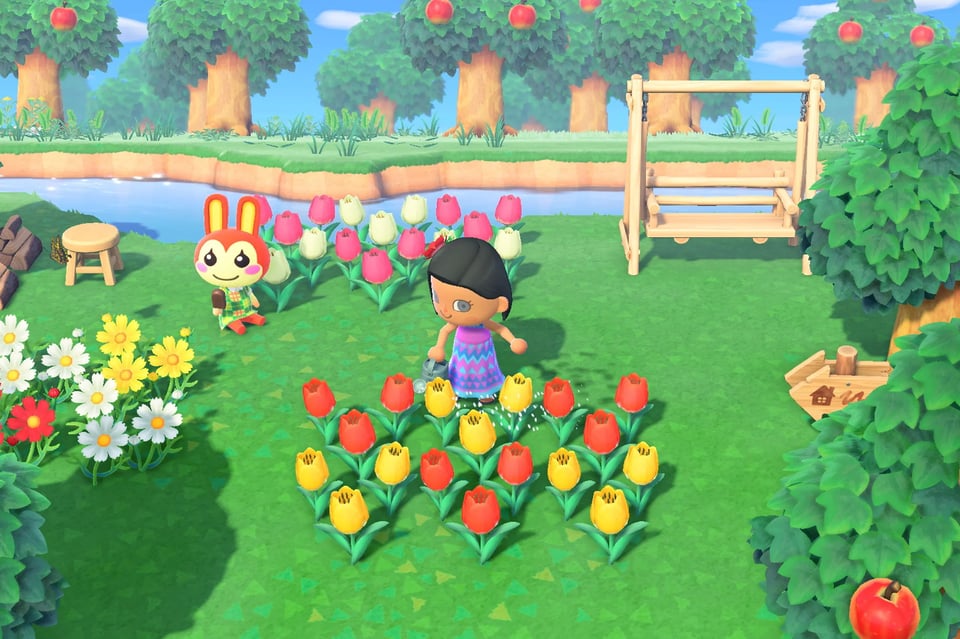
This is in a category we call “cozy games” which I think sort of annoys me but is a useful distinction for things like “cozy mysteries” (i.e. shows where Miss Marple solves the vicar’s murder, rather than Hannibal where a serial killer lovingly displays dead bodies).
I love games. A few weeks ago, Karl and I got my first computer running again, a Commodore Vic20, and it took me right back to the very first games I got to play.

I was a real text adventure girlie, and I loved the hand drawn maps I’d have to make as I moved from room to room (go NORTH, look WINDOW).
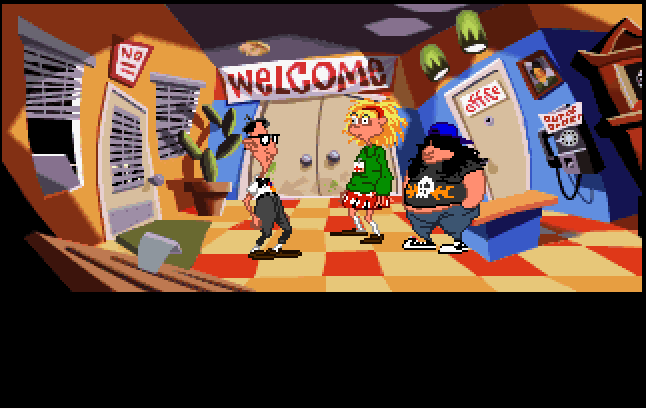
Once we upgraded to a pc, I loved more visual adventures, like Return to Zork. And I loved funny games like Sam and Max, and Day of the Tentacle.
I had a first gen Playstation and my favourite game was Parappa the Rapper.
And you want to know when I stopped playing video games? When they all became first person shooters. The industry had been moving in that direction for a while — bigger budgets chasing bigger spectacles, with the AAA studios (the major commercial publishers) consolidating around franchises that could justify hundred-million-dollar production costs. The easiest way to guarantee those returns was to keep shipping the same thing. Shooters. Open world combat. More shooters. The games that made space for exploration or humour or experimentation migrated to the edges, made by smaller studios with less marketing spend and less cultural visibility.
So, if you’re someone who likes some STORY in your game. Who (if you’re me) hands your controller to your nephew to get you past the boss battle because attempting the same fight a thousand times is SO BORING. Who thinks a game might be a nice way to unwind, not to get wound up. Believe me when I say there’s a whole industry of big and small developers making games you will love. And if you can get past the gendered bullshit of people saying these games are “anti-games” or “walking sims” and that they are not deserving of critical attention, then you might find a whole new form of artistry and community you haven’t paid attention to before now.
The argument about what counts as a "real game" only ever runs in one direction. The question of who gets to define the category is always also a question of who gets to be inside it — and as we keep talking about, gatekeepers are the worst. Guess what I’m going to play this weekend.
more good stuff
I often surprise people by talking about the research around the real name fallacy — the idea that if we make community users sign in under their real names, behaviour will improve. This is a great summary of the reasons why that’s not true.
Loved this long read The Death of a Superman about goodwill clothing donation bins:
Here are some things that have been found in donation bins:
A live puppy. Live Japanese grenades. An 1854 tombstone for Rebecca Jane Nye. Old skulls. A stolen Frederic Remington sculpture. Customized Air Jordans made for Spike Lee. Three pounds of marijuana. Five pounds of marijuana. A five-hundred-pound US Navy practice bomb. A mastodon tooth. An inert mortar shell. A live mortar shell. A Rolex worth three thousand dollars. A World War I machine gun. The first stamp issued in the US. More than five thousand used blood vials. A Bible signed by the 1953 Pittsburgh Pirates. People.
Last year we talked about KATSEYE and the Hybe x Geffen project World Scout. The fourth member has now been “found” and the girls will debut as Saint Satine later this year.
finally, in my lego city

Forward this email to someone who loves a nineties mixtape.
You just read issue #74 of what you love matters. You can also browse the full archives of this newsletter.


Add a comment: