

As you all know, I spend a lot of my life consuming fanfiction on Archive of Our Own, the volunteer-run archive that now hosts over 18 million transformative works.
Last week in an admin post AO3 re-explained why it will never have a mobile app. It's a question they get constantly, particularly from younger generations who read everything on their phones, and find the idea that it’s just a website sort of insanely quaint. Any time it pops up as a discussion topic you see fans retread the same ground. The archive is run by volunteers. It’s a big enough burden without adding an app to the mix. There’s no need for one you can just add the site to your home screen, etc etc.
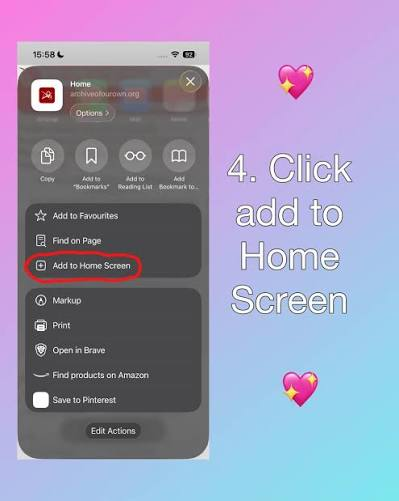
But reading the post this week, a more obvious and important reason jumped out at me. Both the Apple App Store and Google Play store have rules against "objectionable" or sexual content. To ship an app, AO3 would have to gut the thing that makes it AO3 — its policy of maximum inclusiveness. As I talked about in The Good Internet, the Archive was built on the promise that fandom's horniest, weirdest, most transgressive corners would have somewhere to live. So it stays on the open web on purpose.
I’ve been thinking about app store restrictions a lot as we navigate our way through the approval process for Lume. The app stores are a little bit miraculous. Jump through the hoops and your digital product is suddenly available for people to buy all over the world, just like that.
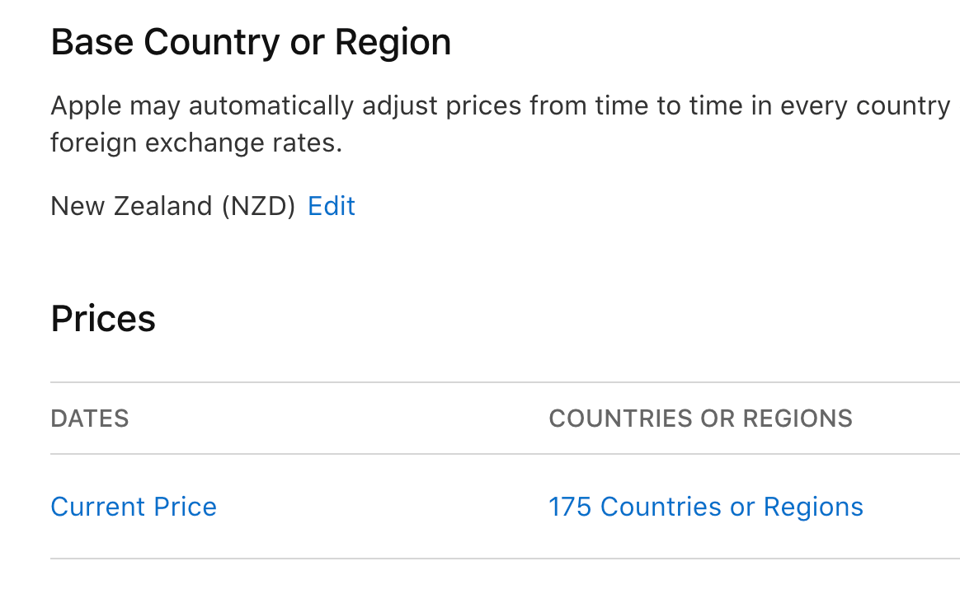
But, depending on what you’re doing, those hoops aren’t straightforward. And for AO3, the terms are impossible. So they’re not interested, which for them is the right call.
I’ve already talked a lot about the tumblr story, though maybe not as a story about apps. In late 2018, tumblr's app vanished from the App Store after child sexual abuse material slipped its filters, which, don’t get me wrong, was a real and serious failure. But tumblr didn't try to fix the filter, or improve its trust and safety approach overall. It just banned all adult content. Specifically and infamously it banned “real-life human genitals or female-presenting nipples”. Which lead to a barrage of jokes, but it also torched a decade of queer, kinky, sex-worker and fan-artist community in the process. Traffic to the site fell off a cliff and never really recovered.
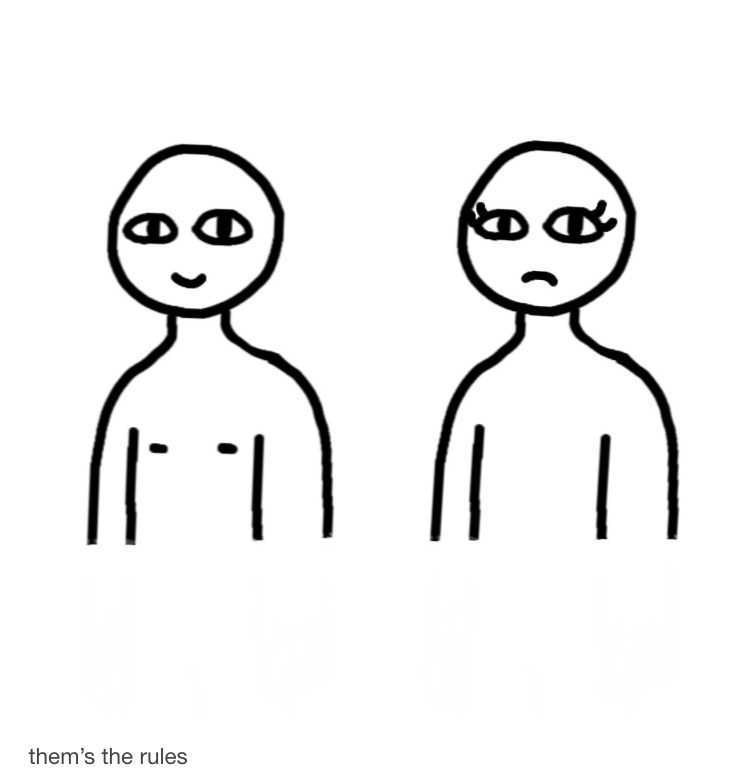
Apple didn't order that ban, but it also didn't have to. When the app store is your livelihood, sometimes a stupidly broad purge seems like the rational move to get back as quickly as possible. Years later tumblr was still quietly blocking search terms on iOS to stay compliant.
But also there's the financial toll. Every transaction through an app store costs something, which makes sense. Apple and Google are providing a financial service and dealing with currency conversion, payment processing and so on. They get to charge for that. But what most people don’t realise is that those transaction costs run around 3-4% on a web store, but are 30% through Google and Apple. (Both companies let you have a breather when you start your business, charging 15% until you clear an earning threshold).
Let’s look at a recent example. Patreon exists so that fans can pay the people whose work they love directly. Apple has now decided a tip to your favourite creator is a "digital good," which means Apple is owed thirty percent of it. Every creator on Patreon has until November this year to move to subscription billing through an in-app purchase. Creators who don't want to swallow the cut can pass it on, which, thanks to how the maths shakes out, means marking their price up by about 43% so the fan covers Apple's share instead.
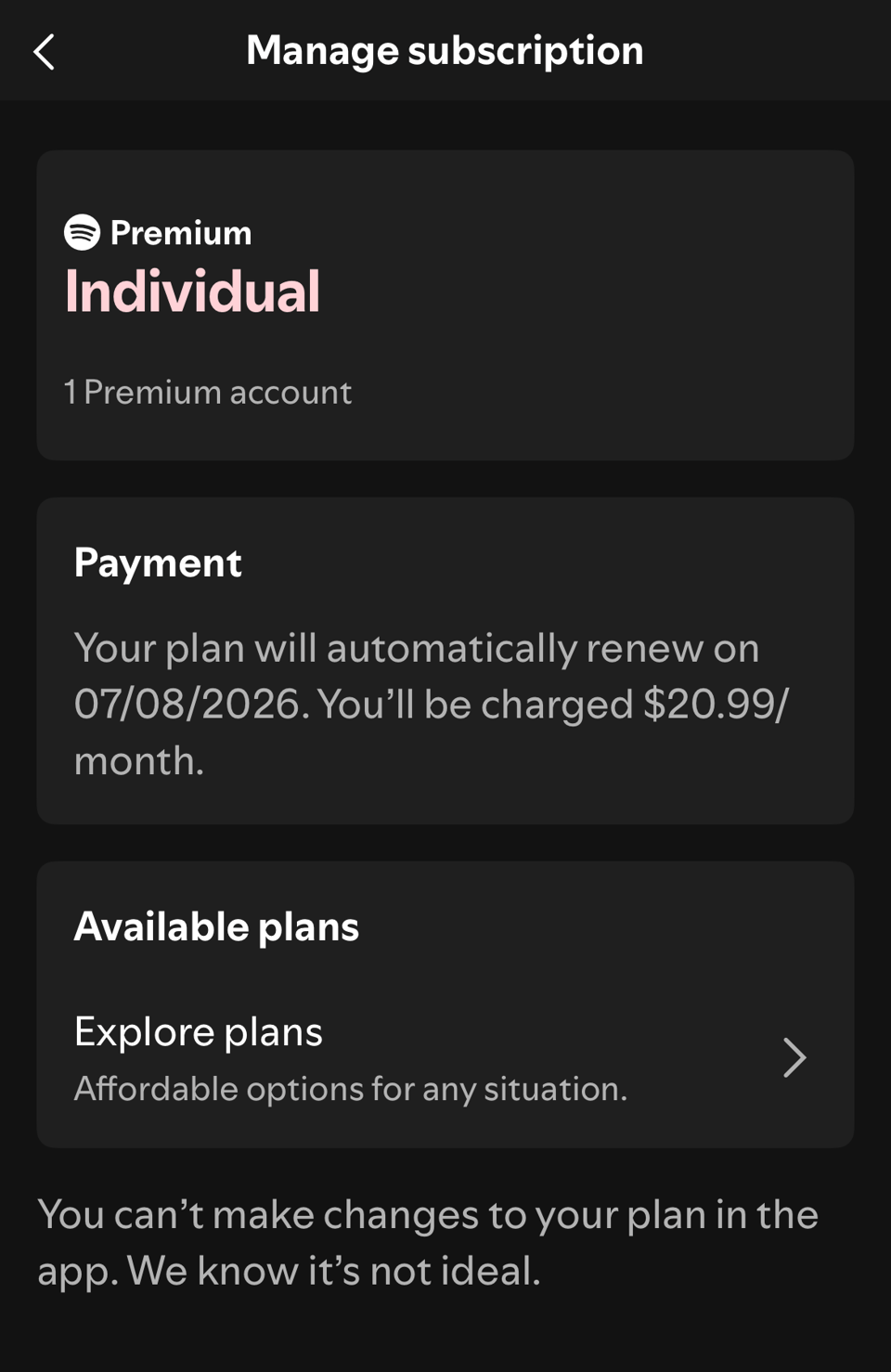
Some companies obviously refuse to play ball. If you’ve ever tried to sign up for a Spotify sub on your phone (where you’d expect to do it, right?) you’ll find you can’t. You can only do it on the web. Because Spotify doesn’t want to pay Apple or Google that tax.
And what happens if a company just ignores the rules? That’s what’s currently being fought through the US courts by Epic (the company that makes the game Fortnite). It tried to route around Apple's payment system in 2020 by sending users to a web link to make payments. Apple pulled their app, and Epic went to war. Six years on, Fortnite has spent half a decade exiled from the US App Store. There've been trials and contempt findings and duelling appeals, and as of a few weeks ago the Supreme Court has agreed to hear it.
I have no idea where this will land. Selfishly, I hope that developers get the option (currently only available in the US) to offer users a chance to pay where they want. Many people will continue to opt for the convenience of doing that in the app. But the change will be meaningful. In Lume’s case, buying on the web means much more of your money gets into the hands of the artists, and we really want that to happen.
Which brings me back to AO3. The archive doesn’t allow commercial transactions, so the financial toll isn’t part of their calculus. But seen against tumblr and Patreon and Epic, "we're not going to build an app" is actually an existential position. AO3 gets to keep its inclusiveness only because it's willing to give up the surface where most of the internet now happens. Unfortunately I think is maybe also the good internet I keep banging on about: handmade and principled and maybe a little bit exiled by choice.
I love that AO3 looked at the rules and walked away, and I think the whole web is freer for their stubbornness. And I know that stubbornness is bought with volunteer hours and a vow to never take a single dollar — a luxury the artists on Lume don't have, and that almost nobody trying to feed themselves online has. I hope that Epic’s fight changes something for them in the future.
more good stuff
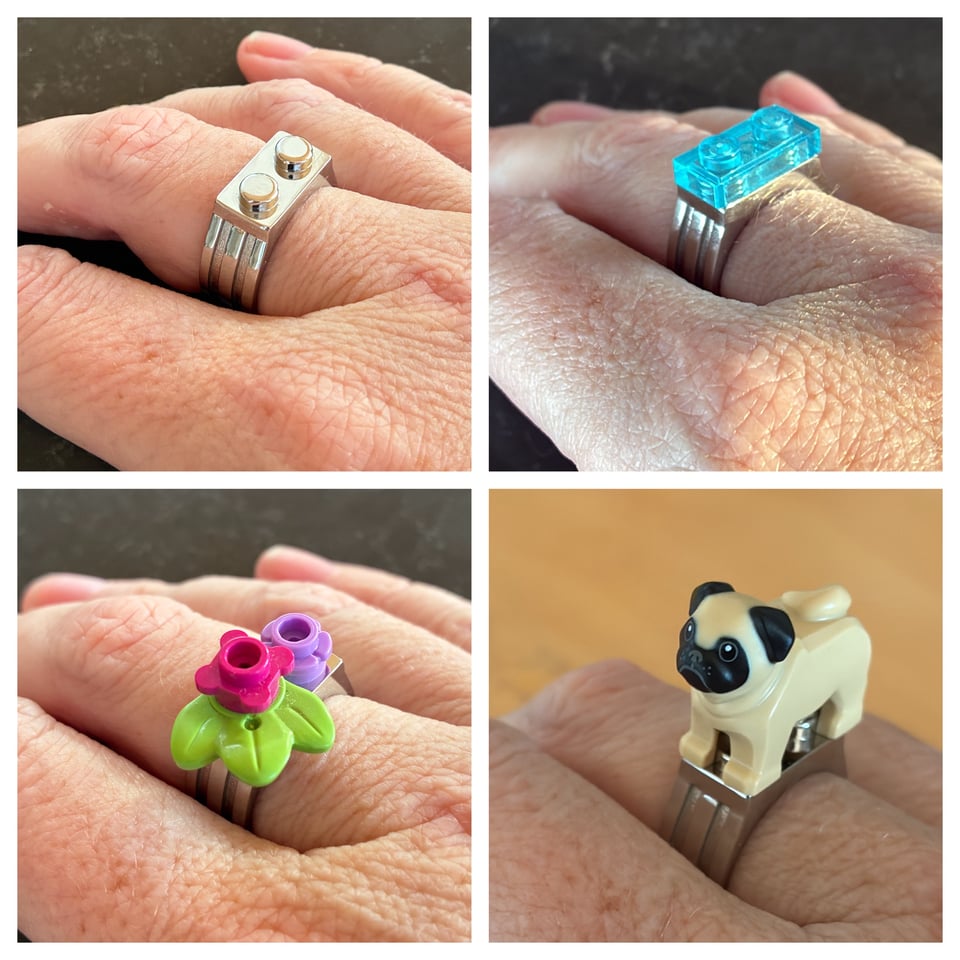
sometimes you buy something you see online and it turns up and is so breathtakingly perfect for you, you can’t even deal with the joy.
Loved this piece on how we find our way into fandom from Dr Georgie Carroll (yes, I love being the foremost expert on the 1D to Hockey Pipeline — I’m not really, Jes is, hi Jes!)
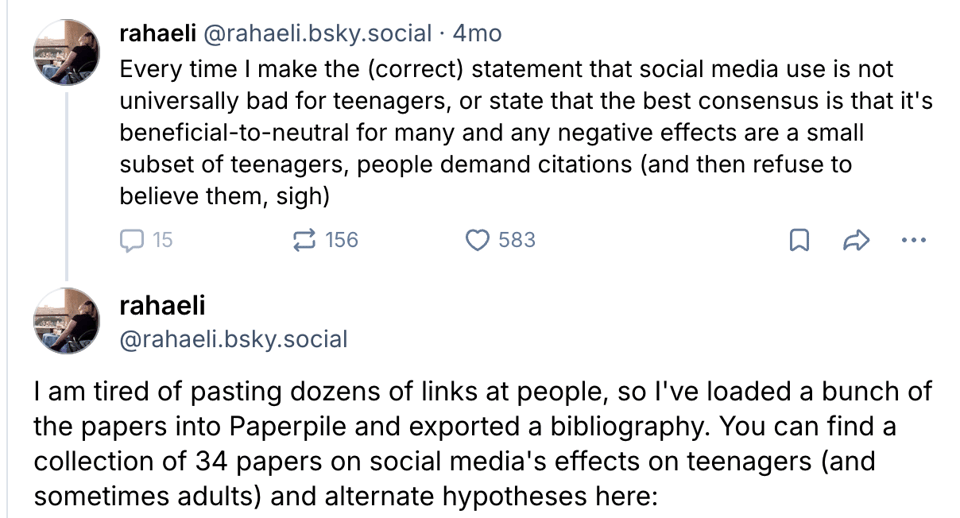
As we continue to be battered with various attempts at social media bans for the kids, I appreciated rahaeli sharing this link to 34 papers on the effect of social media use.
finally, in my lego city

Forward this email to someone who needs a lego ring.
You just read issue #85 of what you love matters. You can also browse the full archives of this newsletter.


Add a comment: