

One of my first conspiracy theories was the JFK assassination. I spent an unreasonable amount of pre-internet time reading the Warren Commission report and various disreputable secondhand books. One of my favourite unhinged theories was the two-casket argument, outlined in 1981. The idea is that as the First Lady accompanied her husbands’ body to Bethesda in an ornate bronze casket, some people think the body had already arrived.
As Technician Jerol F. Custer passed near Mrs. Kennedy in the lobby, he was carrying X-ray films of her husband’s body that had already been taken in the hospital’s morgue. Looking down the lobby from a second-floor balcony, Chief Hospital Corpsman Dennis DavidKnew the bronze casket was empty; about 15 minutes earlier, he had watched a black, unmarked hearse arrive through a gate at the back of the hospital and ordered some sailors to help men in civilian clothes carry a plain gray casket into the morgue.
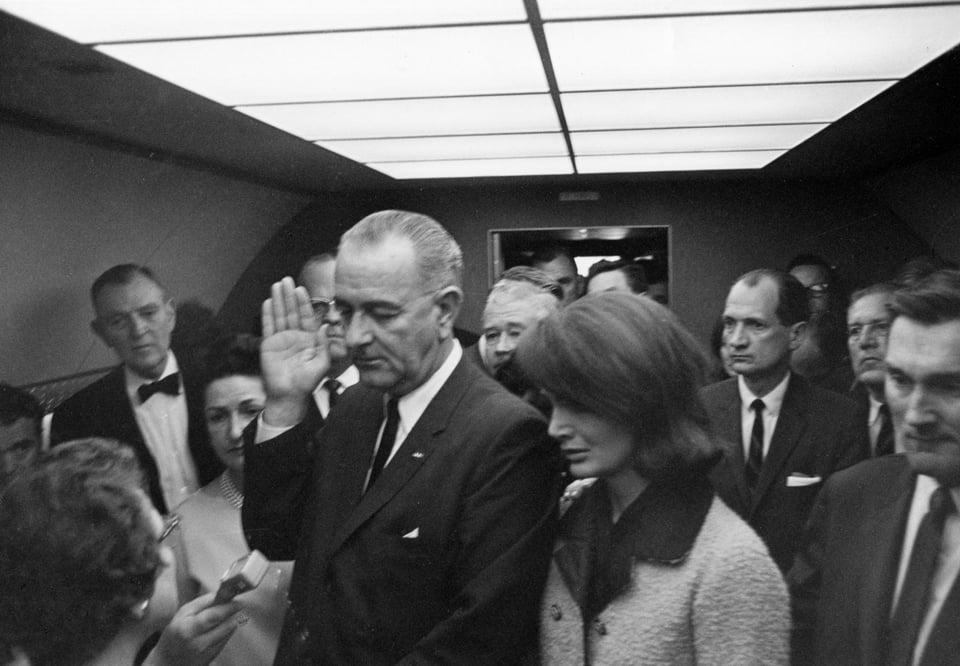
So it’s catnip to me that Kaitlyn Tiffany’s new book The Housewife’s Underground is about the women who made the assassination an enduring mystery.
Politicians and reporters dismissed these women, referring to them as “scavengers” and suggesting they were eccentrics with murder-mystery fixations or crushes on the deceased President Kennedy. But in The Housewives Underground, Kaitlyn Tiffany resurrects the story of Maggie Field, Shirley Martin, and Sylvia Meagher, whose collaboration and friendship reshaped both their own lives and our national memory. Field hosted screenings of the Zapruder film and raised money to pursue new leads. Martin traveled frequently to Dallas, enlisted her children to help interview witnesses, and irritated J. Edgar Hoover with her “antagonistic” attitude toward the FBI.
Tiffany and I haven’t met but we’re clearly kindred spirits, given her last book was about 1D fans. And you can see that the same thinking underpins this work — the way women’s efforts are devalued and trivialised.
It reminded me of the more recent phenomenon of true crime fans, overwhelmingly women, who gather in facebook groups and podcast discords. If you haven’t watched or read I’ll be Gone in the Dark, you should. It’s the story of Michelle McNamara, the late wife of Patton Oswalt, who ran a site called TrueCrimeDiary and spent years buried in police reports on a serial rapist and murderer nobody had caught. She gave him his name — the Golden State Killer. Two years after she died an arrest was finally made. The common story is that she cracked the case from her laptop. The reality is the Sacramento sheriff said her work raised publicity and kept tips flowing, but the killer was eventually found through genetic genealogy.
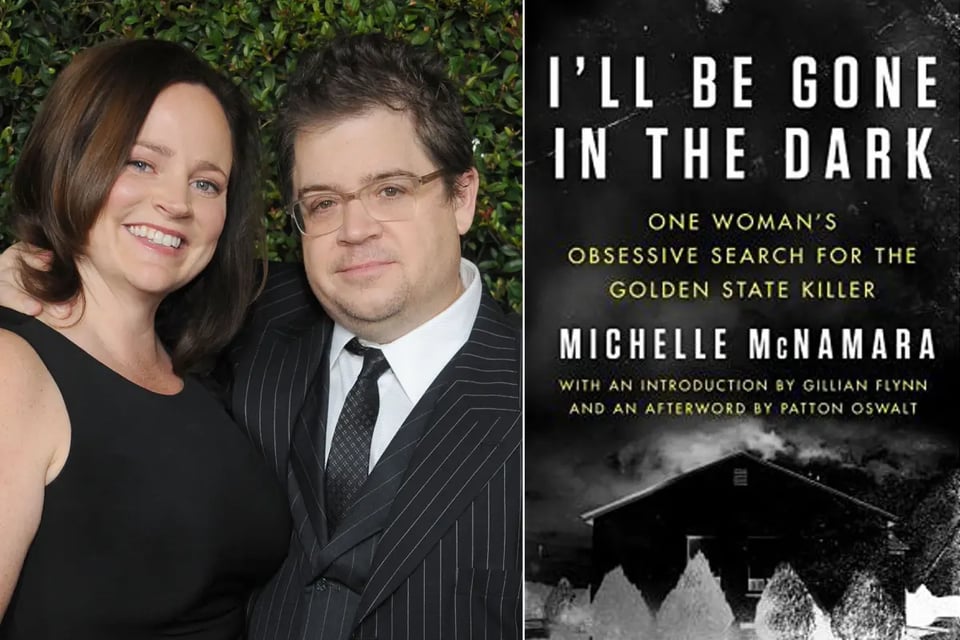
These two stories describe the same sort of person. A woman who doesn’t trust the official account, who builds her own archive and finds an online space full of people as obsessed as she is, and who keeps going long after she has been told (gently or otherwise) to give it a rest.
Weirdly, this sprang to mind this week when I was talking to my neighbour, who had had a bad fall. She’s 57, so I’m still unclear when we have to start saying that we’ve “had a fall” rather than that we “fell over” but I feel like I’m closing in on that point. Anyway, she’s discovered that her bones are like dust, and part of the reason is that years ago a doctor told her she was overweight and to cut dairy out of her diet. I’ve lost count of the number of times doctors have ignored what’s wrong with me in favour of suggesting diet and exercise.
This isn’t news. Conditions affecting women receive around five percent of biopharmaceutical research spending, and only one percent of that goes to non-cancer conditions like menopause and infertility. In the US, clinical trials didn’t even have to include women at all until 1993; for years before that, the FDA advised keeping women "of childbearing potential" out of studies entirely, on the logic that the female body, with its inconvenient cycles, was too complicated to be the standard. The consequences of that are horrifying. Endometriosis takes years to diagnose. Fibroids, the leading cause of hysterectomy, get a rounding error of international research money. Across an enormous range of conditions, women wait longer than men to be believed and diagnosed.
So, as much as I’ve spent years researching and writing about the dangers of conspiracy pipelines, it’s entirely rational to me that people who’ve been shut out of the system and not taken seriously will look outside of institutions for answers. If you spend a decade being told your pain is anxiety, or you just need to get yourself a pedometer, and then you find a stranger on Tiktok who takes your pain seriously, the stranger will likely win.
The wellness-to-conspiracy path has been mapped pretty often. The descent usually starts with a reasonable question (is this food actually safe? is this drug actually necessary?) and, if the answers keep coming from people who are also selling you the alternative, it can slide toward raw milk, seed-oil panic, "detoxing," and eventually the harder stuff: vaccine refusal, fluoride fear, and a basic rejection of science and medicine. A New York Times opinion video traced the exact route from a celery-juice cleanse to anti-vaccine content, narrated by people who had gone on that journey themselves.
The phrase all these people use is “do your own research”. It is what Sylvia Meagher and Michelle McNamara did. But it’s also what the anti-vax mother says to her pediatrician. I have written before about how idle fun conspiracy thinking trains a muscle. The pleasure of not-quite-believing the official version, when you hone it on celebrity gossip and idle speculation is just a bit of a slippery slope to believing nothing at all.
I’m trying to work out how to hold both these conflicting ideas in my head at the same time, and to work out how to celebrate the dogged research instincts and perseverance that catches killers without setting people up to eat a depressing all-meat diet.
The two-casket theory is almost certainly nonsense — Custer's story shifted over the years. But I understand why it stuck with me. It sort of symbolised the idea that the official version was missing a body, that what you were shown at the front door wasn't necessarily what came in the back. I just wish the internet that finally takes the research women have been doing seriously for decades wasn’t so often the same internet lying in wait to sell them a cleanse.
more good stuff
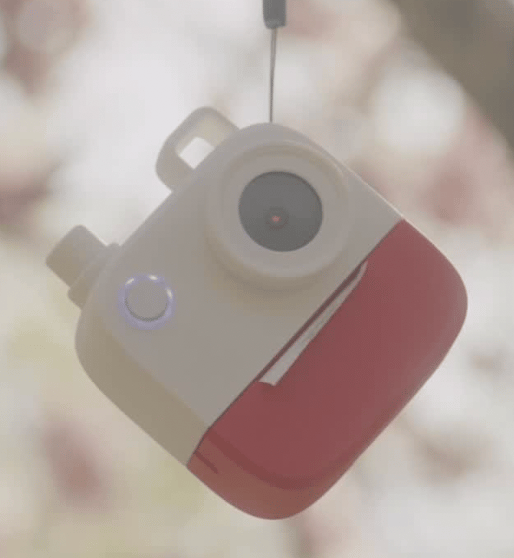
sort of fascinated by this Poetry Camera. you take a photo and it “writes” a poem about what it sees. IDK man, are there good genAI art projects?
A good post. Now I want a world book encyclopedia for home.

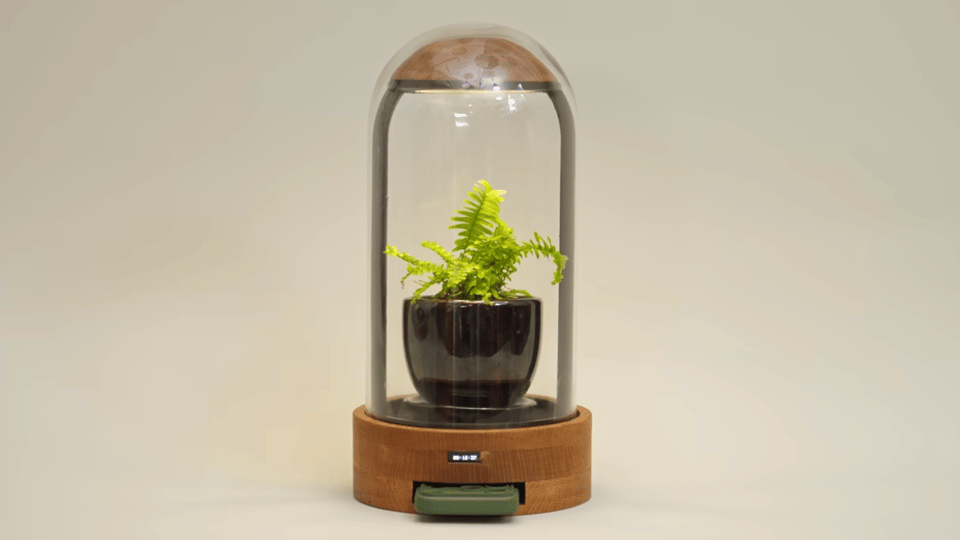
I’m currently staying with my godtwins whose phones are in a big plastic lockbox in the kitchen. That’s good, they’re currently learning to embroider in my bed, but we did think this was an even better solution. Inventor Simone Giertz has made a terrarium where if she doesn’t put her phone in for four hours a day, the plant will die.
finally, in my lego city

Forward this email to someone who should put their phone in a terrarium.
You just read issue #86 of what you love matters. You can also browse the full archives of this newsletter.


Add a comment: