

Today I woke up to a horrible headline about a possible serial killer in Johannesburg. I’ve talked alot before about how The X-Files was my first fandom, and obviously mostly that show was mostly about the aliens, but Fox Mulder’s troubled past involved him being an FBI profiler who was such a genius at hunting serial killers they called him “Spooky”.
In the ‘90s, the concept of a “profiler” — someone who could disappear into the mind of a serial killer based just on looking at their victims and crime scenes — became a pop culture phenomenon. The Silence of the Lambs swept the Oscars in 1992. John Douglas (the actual FBI profiler Jack Crawford was modelled on) published Mindhunter in 1995. When Chris Carter wanted a second show, he made Millennium, which was just the profiler part of The X-Files with the aliens removed. NBC countered with Profiler. The serial killer of this era was a dark genius and the FBI agent was his worthy adversary.
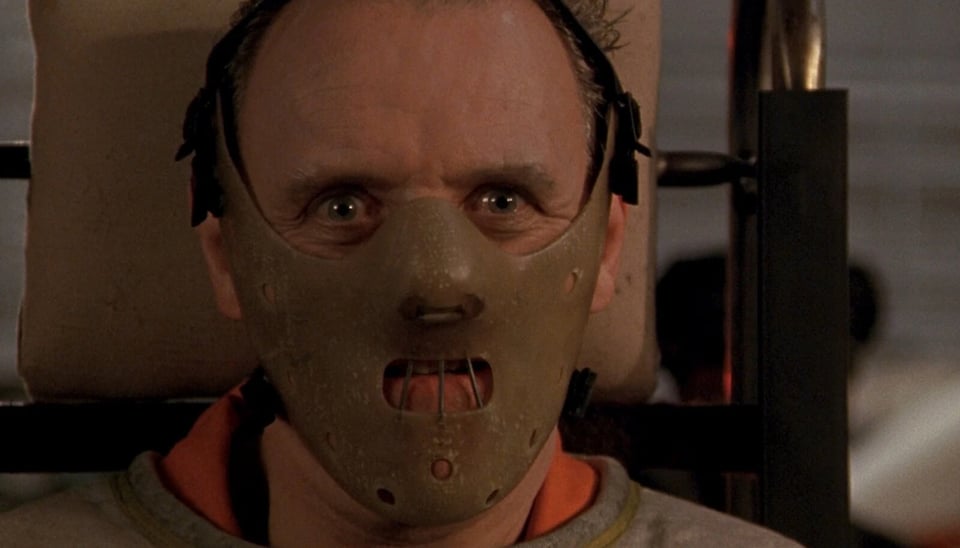
Then it was like serial killers were every show, and in order to outdo one another, writers rooms were just sitting around casually dreaming up more and more unhinged ways to brutalise women on screen. The Killing, True Detective, The Fall, were all prestige versions of this. And at the same time every episode of procedurals like CSI, and SVU needed fresh bodies, usually female and artfully arranged. I hated it and I stopped watching.
And it seems like the whole genre of genius profiler was a lot of bs anyway. The science behind all of it more or less fell apart. Turns out you can’t look at a corpse and work out if the killer always buttoned his jacket, or whatever.
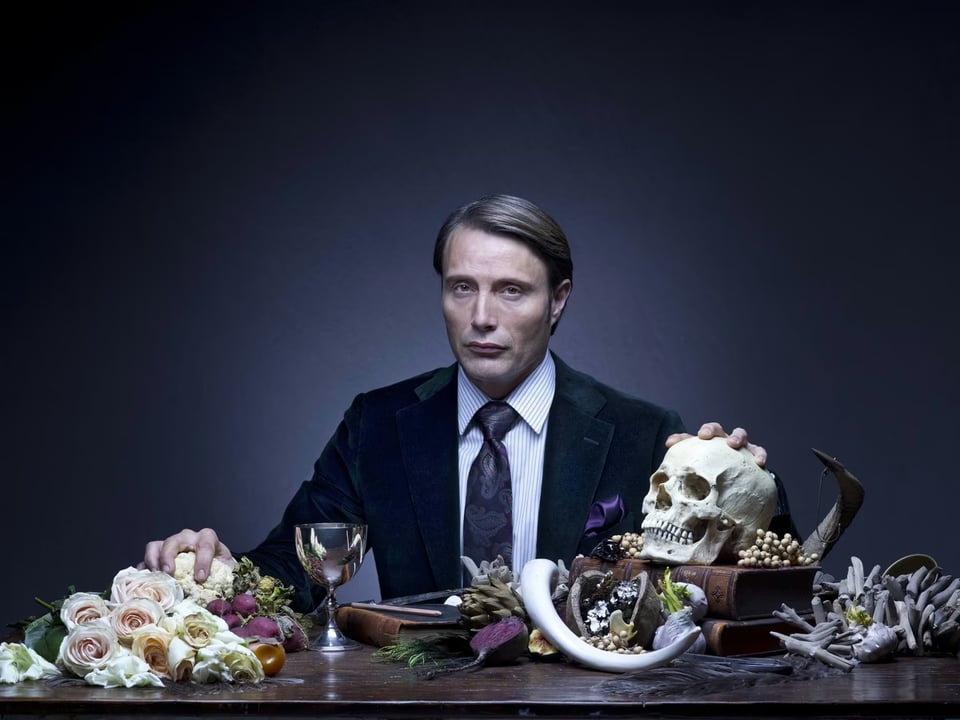
But even as tv had a unending tsunami of serial killers, in the real world it was like they dried up. I mean, violence against women certainly didn’t, and we had to reckon with the horrors of spree killers and school shootings and worse. But the particular kind of Bundy-esque crime seemed to go away. At first I thought that was just because of the internet (or more broadly the way our lives are surveilled, the way law enforcement became more connected, how much harder it would be to be an actual serial killer these days, or how much likely it would be that you’d be caught after your first victim). But then I read Caroline Fraser’s book Murderland.
Fraser is a Pulitzer-winner who grew up in the Pacific Northwest in its so-called “golden age” of serial killers, and her question was why there and why then? Her answer had nothing to do with dark genius. She points the finger at the ASARCO smelter, one of the most poisonous lead and arsenic operations in the world, with a plume settling over a thousand square miles of Puget Sound. In 1974 researchers measured it pumping out 25 pounds of lead and 58 pounds of arsenic an hour.
Bundy was one of at least half a dozen serial killers active in Washington in 1974. Within a few years, the state would produce the similarly prolific Randall Woodfield, known as the I-5 Killer, and Gary Ridgway, the Green River Killer. Its murder rate rose by more than 30% in 1974 – almost six times the national average. In Tacoma, the city where Bundy grew up, Ridgway lived and Charles Manson was incarcerated for five years before starting his Family, murder was up 62%. It was as if a malevolent cloud had enveloped the region.
Maybe the reason we don’t have as many of these killers anymore is because we’re not literally creating them??
Meanwhile the true-crime genre has rocketed to stardom and we have this flood of podcasts and netflix documentaries and the victims keep sliding toward becoming nothing more than content. We love to talk about the mushroom lady. Every time Hedley Thomas drops a new pod series consider me sat. But it also feels like it’s not that far from the body-of-the-week shows I’d left behind.
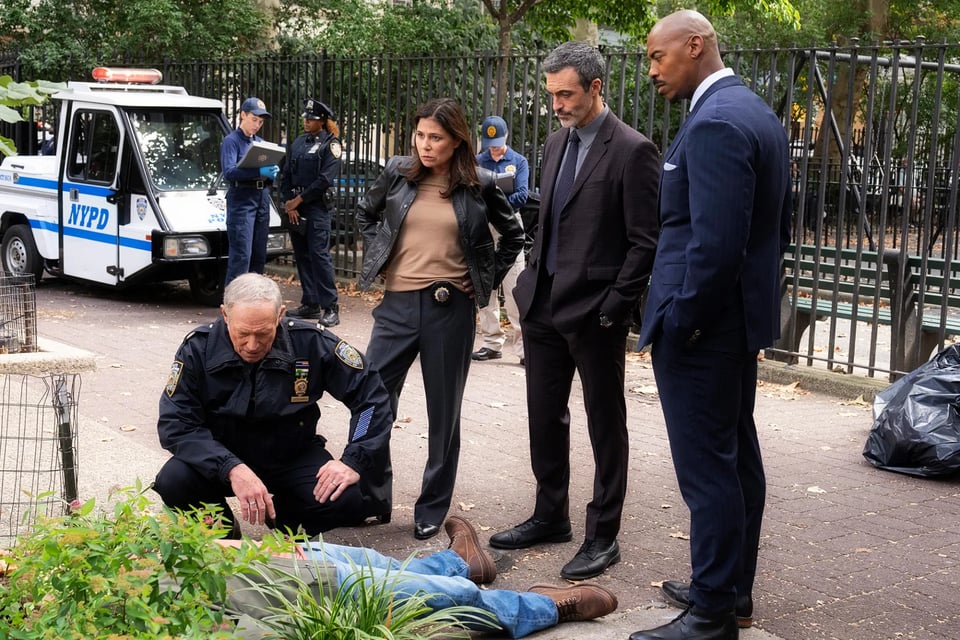
Which is why my godtwin Eleanor and I spent the summer break reading cosy mysteries. Chief Inspector Gamache encounters his fair share of death in the tiny Quebecois village of Three Pines, but not that kind. Now we love Only Murders in the Building. The Thursday Murder Club. Ludwig, where the most violent thing on screen is David Mitchell's discomfort. The Knives Out films. The cosy mystery’s current revival gets written up as escapism and comfort viewing for exhausted people. But it’s actually the pure puzzle-solving mystery I’ve been obsessed with since I was a kid without an abattoir involved.
Obviously we still have serial killers. I hope the victims in Johannesburg find justice quickly. And I also hope that their story isn’t just slop content on our tiktok feeds, or a ripped-from-the-headlines CSI plot in a month’s time. And I’m glad Eleanor has a tonne of books to read with great mysteries and talented detectives and no-one making clothes out of skin.
more good stuff
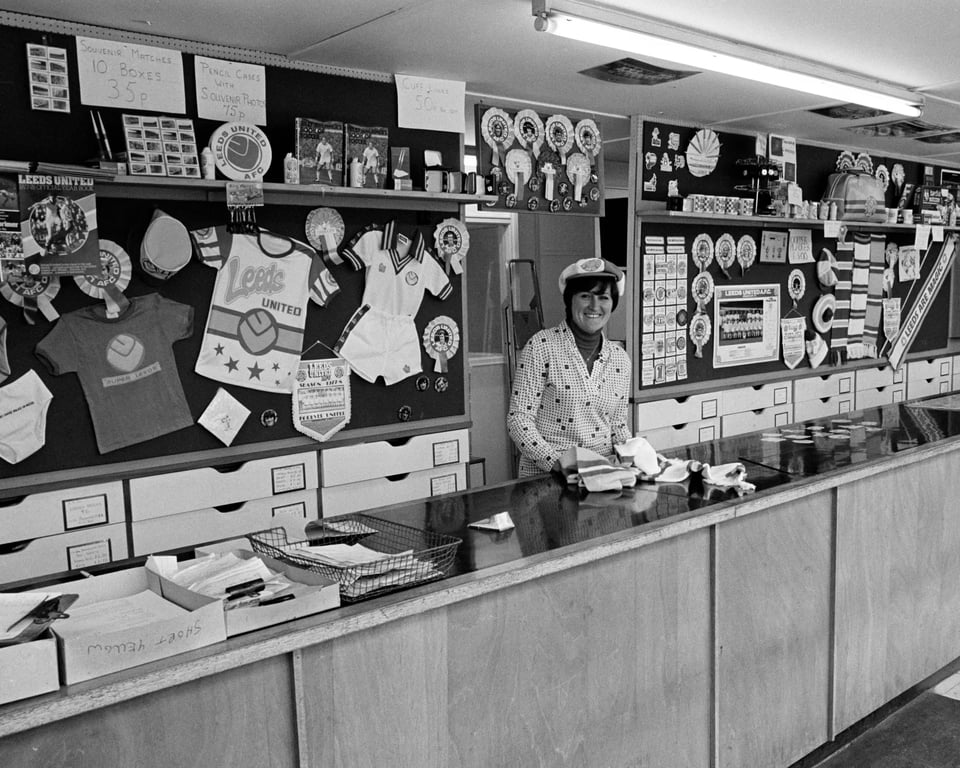
loved this story in the Guardian about when fans started wearing replica football jerseys.
also devoured this long read on the romance novels of Ancient Rome.
Just like the modern romance genre, ancient romances are dominated by tropes and predictable arcs: protagonists meet, protagonists fall in love, protagonists are separated, protagonists live happily ever after. Where modern novels might have opposites meeting at work, separated by a misunderstanding and reunited with a kiss and solid communication, ancient novels are quite different. The protagonists are invariably elite young people whose parents approve of their match, their separation is always a result of slavery, fake death, kidnap or a combination of all three and their reunion is usually facilitated by the gods. Where modern romance might have “opposites attract” as a genre trope, “sold to a brothel” is a very common trope of ancient romances.
via The Rec Center, I’m fascinated by this developing story that A24 is making a film about collaborative fiction project SCP, without talking to anyone involved in the project at all.
finally, in my lego city

Forward this to someone who hasn’t seen Hannibal.
You just read issue #92 of what you love matters. You can also browse the full archives of this newsletter.


Add a comment: