

I’m writing this from my bestie Nic’s house where I’m spending the weekend with my girlfriends. We live crazy busy lives and we learned a few years ago that if we don’t regularly put a weekend catchup in the calendar we can go faaaar too long without seeing each other.
I was thinking about that this week as I read Derek Thompson’s piece You are no longer invited to dinner. In it he goes deep into the death of hosting in America, and we we don’t have people over to our houses as much.
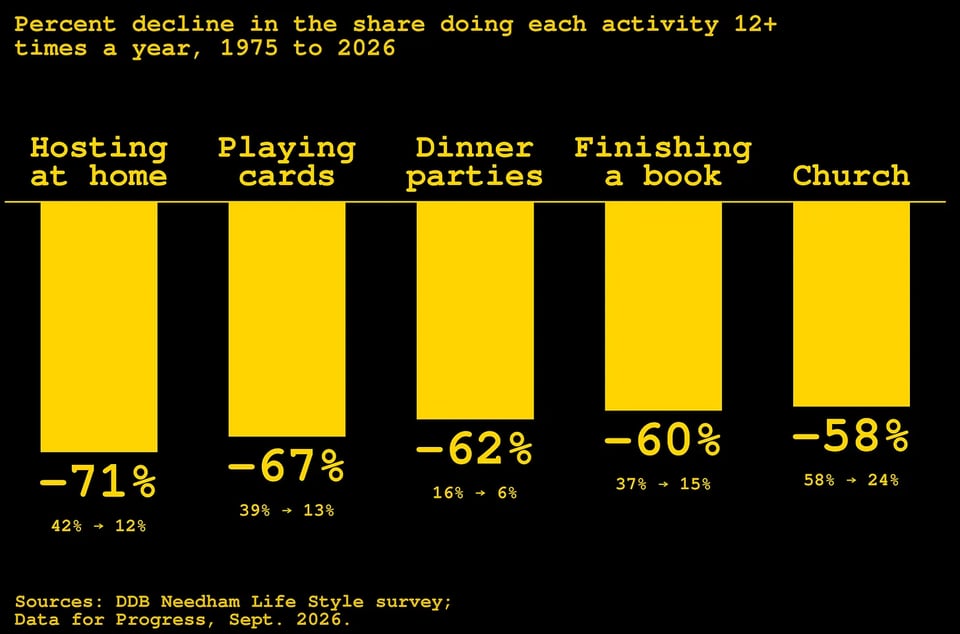
It’s true that before my friends started having kids, dinner at someone’s house was how we hung out. You invited people over to have dinner and watch an appointment tv show. Or an Oscars party. I regularly had a Sunday roast lunch at my place. Even (and I know this will make Luce shudder) dinner and a board game.
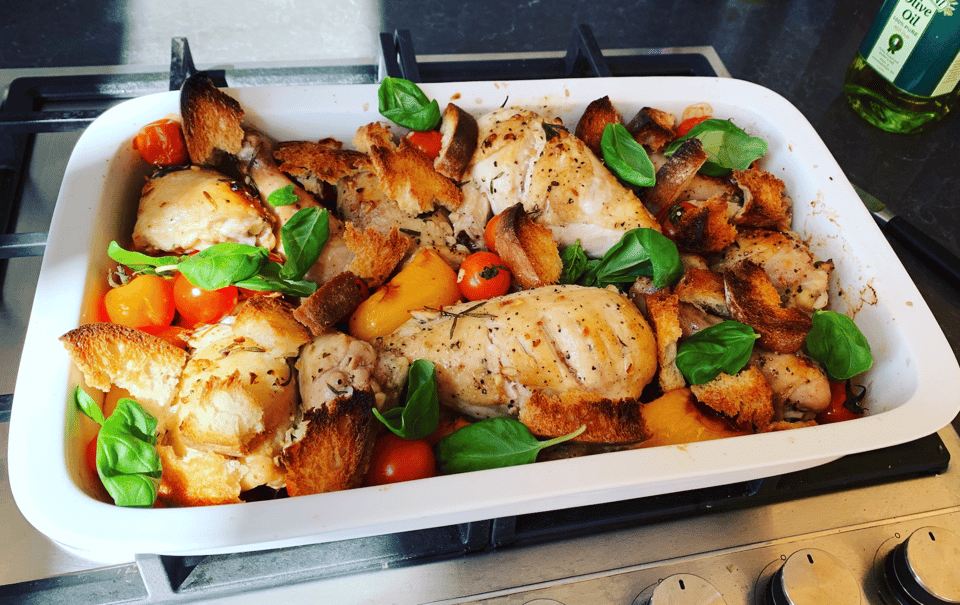
Then everyone had babies and that kind of socialising became harder, but I don’t think I’d processed that it never really came back. Partly this is because I live at a beach, so over the summer I am always hosting. People come to stay and stuff themselves into my bunk rooms, and drop in for the day, or for a meal, or for drinks and fireworks at New Years. And so my “hosting” cup is always pretty full by the end of Feb. But then, I don’t really host again the rest of the year, which is wild.
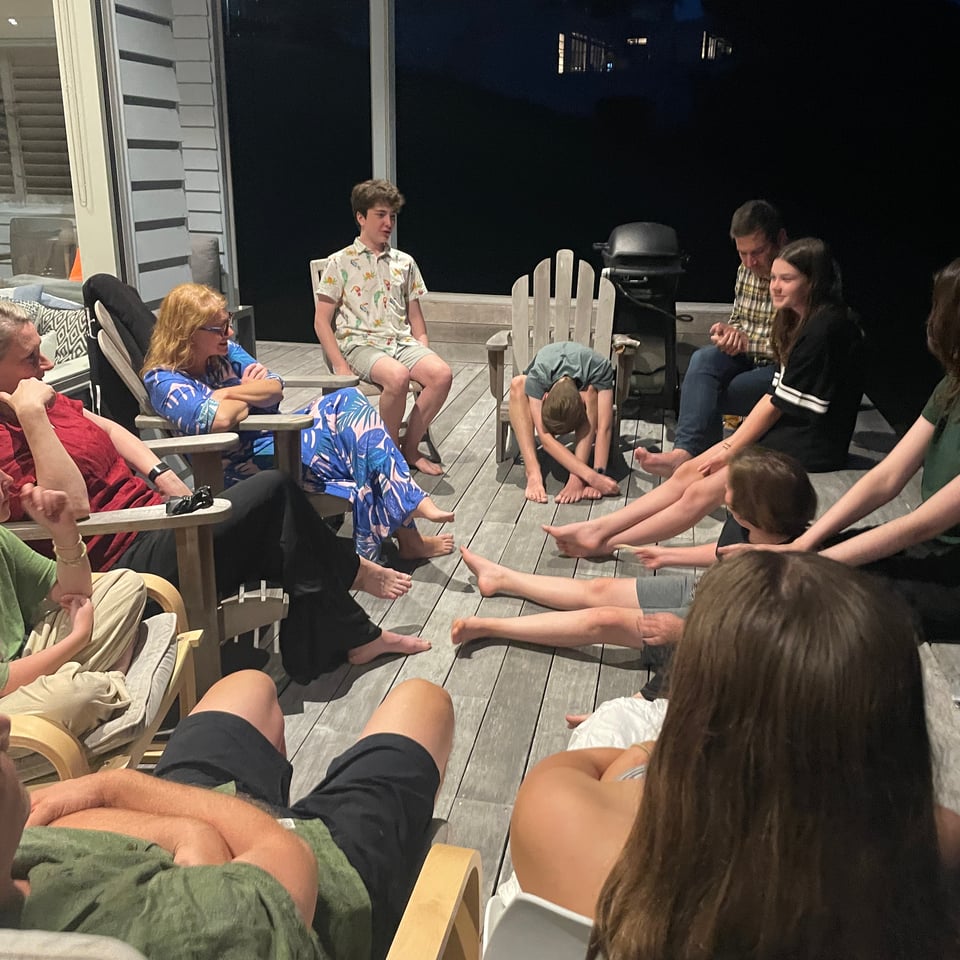
Thompson has a range of possible explanations: we’re so busy now, parenting has taken over leisure time, we have fewer friends. One sort of jumped out at me, which was the idea that it’s too much fun to be home alone.
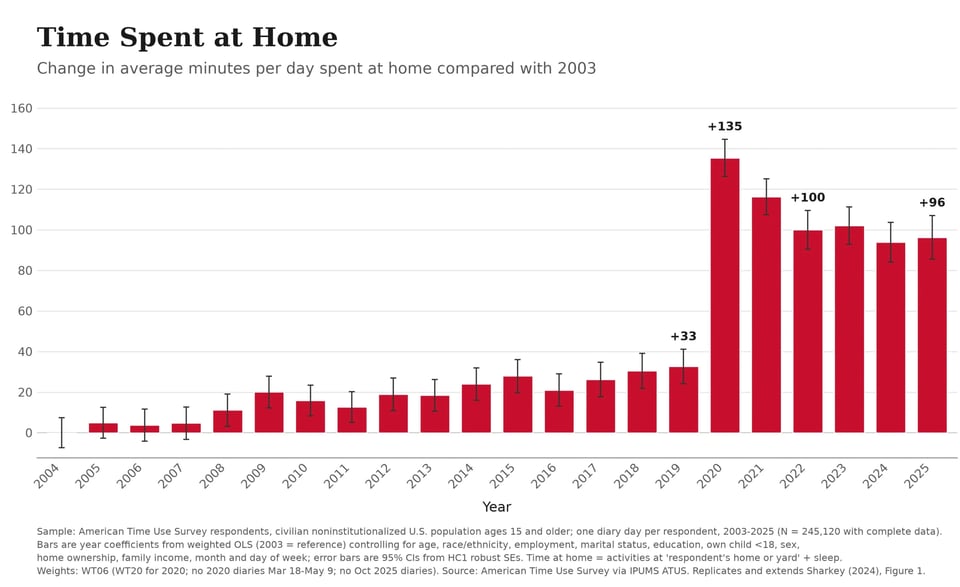
For many, this freedom has taken the shape of a living-room couch. The average time that Americans spent at home increased by almost two hours a day from 2003 to 2022. Cocooned within personalized entertainment fortresses, more Americans have shrunk the vast buffet of all possible leisure activities to the small plate of screened media. As I wrote in my 2025 essay “Everything Is Television,” it sometimes feels as if the grand sweep of entertainment history is drawn toward the single attractor point of video, and especially short-form video. Something quite deep in the human psyche seems to want desperately to turn off our self-talk and silence our nattering internal monologues by turning up the volume of other characters’ voices.
This makes it all sound sort of charming, rather than a slightly darker take that we just get sucked into an endless scroll by the patterns of app design and the motivation of tech companies, but I know what he means. At the end of a long day, the idea of having people over for dinner seems exhausting compared to rotting on the couch with Taskmaster on the telly and Pokopia on my switch.
And when I do want to socialise, my first instinct is no longer to say “come over for pasta”, it’s “where shall we meet?”. In the last two weeks I’ve hung out with friends at an air-dry clay “sip and sculpt” and at luce’s junk journalling workshop. Even though the cost of going out is astronomical, I’m still more likely to suggest a bar or a restaurant than I am my own home, and I’m not sure why.
Compared to TikTok, a dinner party is a terrible leisure technology. It requires matching schedules, cleaning the house, buying food, accommodating children and allergies, tolerating awkwardness, and taking the risk that the evening is mediocre. By contrast, what does television ask of us? Nothing. TikTok? Even less. We keep creating opportunities for downtime that eliminate the need for other people to be present. Not all progress is progress.
OK, maybe that’s why.
Some of it feels like a post-covid thing. We experienced the pandemic very differently here in Aotearoa, because we got to live normally for most of it, but certainly everywhere else it’s like we became shut-ins and never went back:
When I talked about this last night, frankie pointed out a recent study that showed the number of words we say out loud each day has declined by more than a quarter. That number seems impossible, until you think about how many words you “say” every day in texts and dms and slack channels and email. We don’t even talk to strangers any more:
Mehl points out that contactless payments, digital ordering systems, and other technologies that streamline commerce have reduced people’s need to interact with one another. “We can shop for groceries now without talking with a checkout person, and in restaurants we can sometimes order and pay without ever talking with a server,” he says. “All these ways in which we have rendered our daily lives more efficient may have also resulted in rendering our social lives more rudimentary,” he says.
I’ve written before about our craving community, and I feel really conflicted about the ways we’re eroding it in our own lives. When luce came to stay last weekend at my house we had a lovely two days of parallel play, curled up on the couch on our own screens. She didn’t care that I had a pile of clean laundry all over my couch. I wonder if maybe I’ve built up the idea of hosting and made it too hard in my head. It can be as simple as saying “come scroll on the couch with me, I’ll microwave us both something to eat”.
more good stuff
more on tickets, affordability and fandom. The NYT spoke to Harry Styles fans about what it cost to get them to MSG.
The hundreds of thousands of Styles followers swarming Madison Square Garden for his 30-night residency this fall are a cross-section of pop fandom in 2026, eager to be in the room with their idol at any cost they can — or can’t — afford. To get their tickets, they vied with bots on Ticketmaster, scoured resale sites and hunted social media for fan-to-fan trades, in prices that ranged from under $100 to well into the thousands.
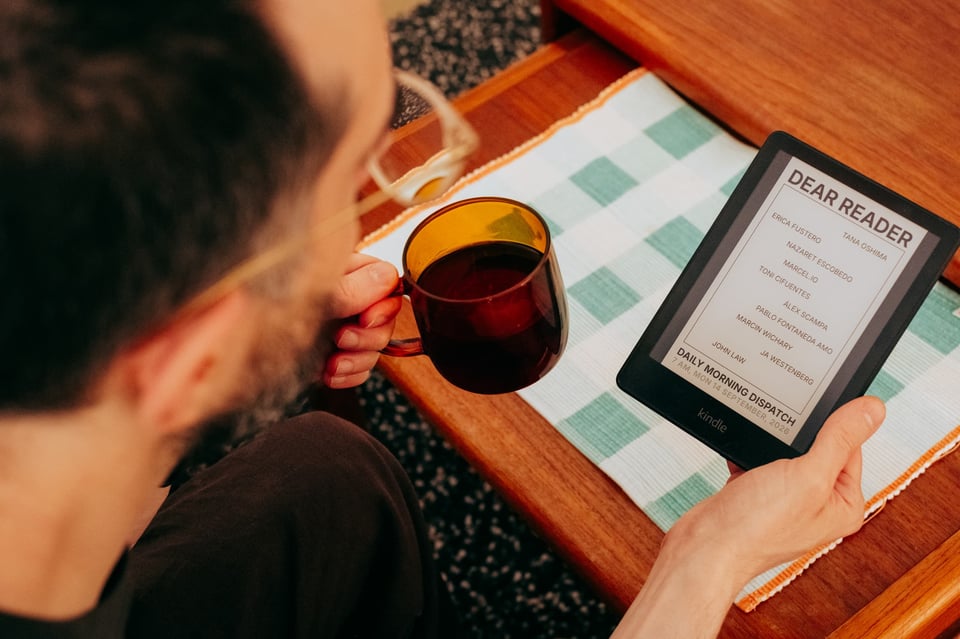
look, i know that bleating about google reader and the golden age of blogging just reveals that my bones are dust, but i loved this project where Javier Arce has built a little app that delivers the latest posts from writers he follows to his Kindle every morning.
here’s a cute pod I recorded about what’s happening with Lume (shoutout to rob who sent me the together together tee I’m wearing)
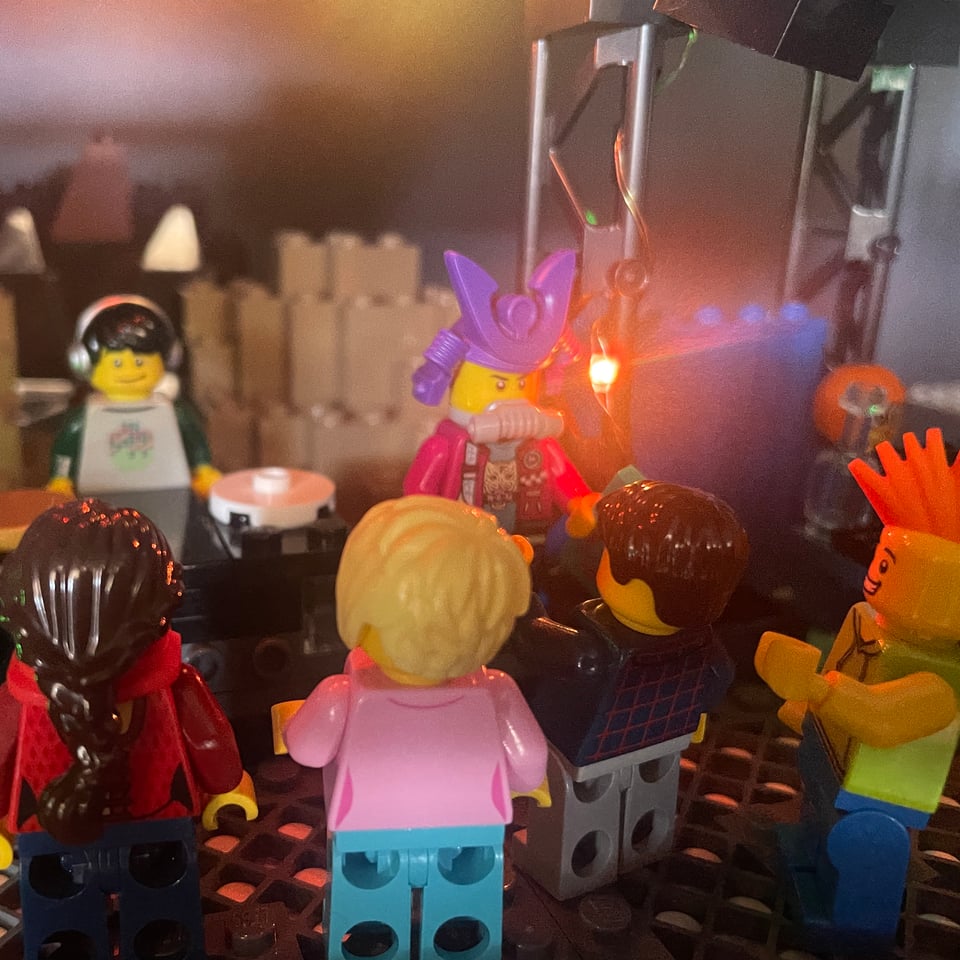
finally, in my lego city
Forward this email to someone and invite them over for dinner.
You just read issue #94 of what you love matters. You can also browse the full archives of this newsletter.


Add a comment: