

What was the last new thing you found yourself becoming a fan of? I was thinking about this at a dinner the other night, when I was sitting next to someone who said that she’d never really been a fan of anything. But of course, when I scratched at that (because I think we’re all fans of something, we just don’t realise it), she revealed that she’d recently become obsessed with the show Off Campus.
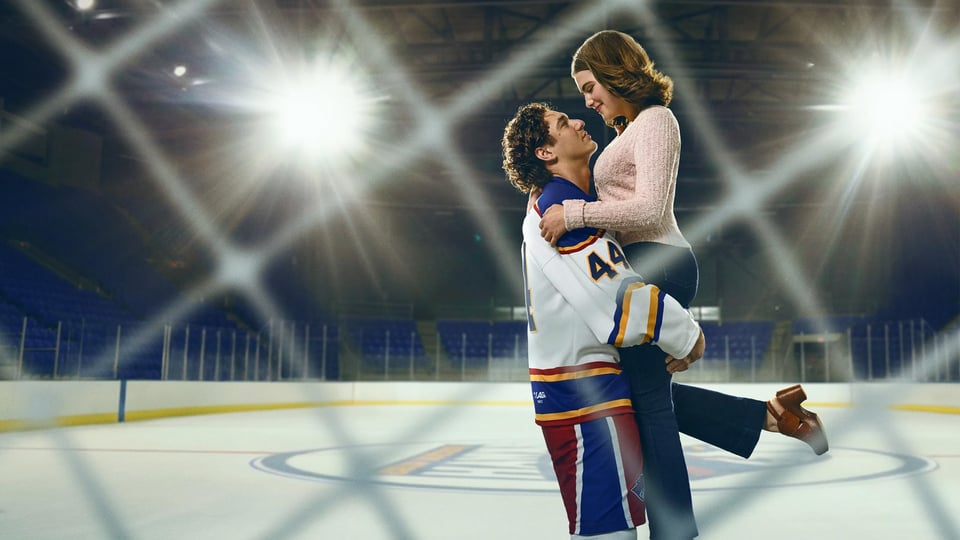
That was a great reason to trace my own discovery path in my head. I’m not a booktokker (I dip my toes in when something becomes an unavoidable monolith like ACOTAR) and I avoided the sports romance boom on principle as a hockey rpf devotee of the mid 2010s. So Off Campus wasn’t on my radar until the tv adaptation sprung up with eerily good timing on socials in the wake of Heated Rivalry as “the next hot hockey show you should watch”. I watched it. It was fine. Belmont Cameli, even sharing a celebrity groomer you are no Hudson Williams. Sorry to that man.
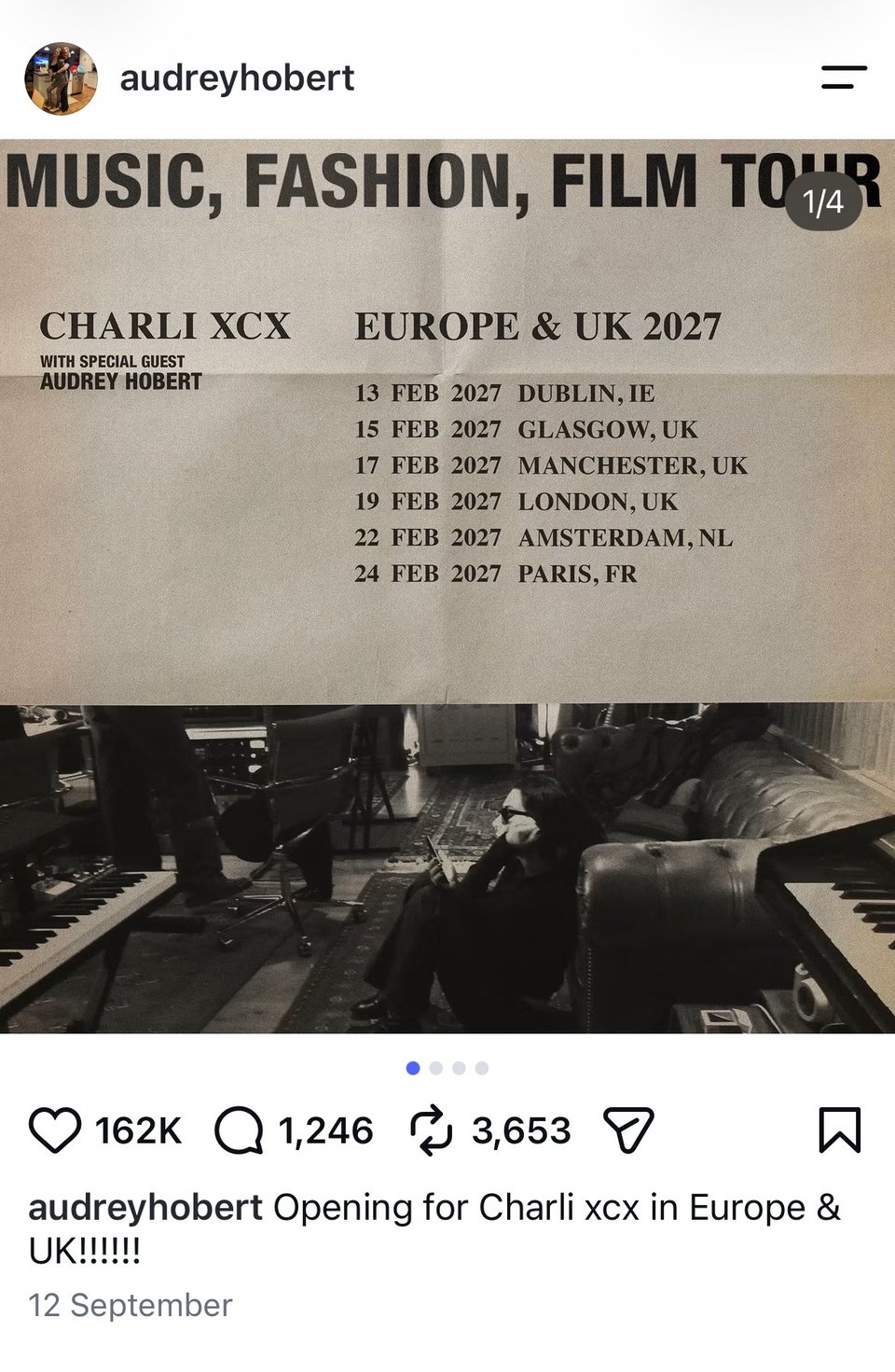
So much of finding a new thing to love is a bit like this. Remember when Luce took me to see Audrey Hobert and I was blown away by the show and by her young fans? She’s now opening for Charli XCX across Europe next year. And a whole new wave of people will discover her, and those fans will have been first.
And yet that process of discovery, particularly in music, is getting harder and harder. For the last decade, old music has been outselling new. And the nostalgia vibe in tv shows and movies reviving older albums and hits has only made that worse.
How do we find new stuff? Particularly in an era when mainstream cultural criticism is dying, and so you no longer look to music journalists or film reviewers to find out what you might like. There’s just a massive glut of streaming everything to wade through. So you wait for some kind of consensus.
Which is why this Dazed article about “fake fans” on tiktok caused me to think more about “organic” discovery this week.
Social media – particularly TikTok and Instagram – is now littered with pages which seem like innocuous, organically-made fan accounts on the surface, but are actually run by professionals, paid for by labels or artist teams. Often, they’re purposefully made to look organic, posting the kind of memes, edits or song reactions that a fan page would, or even commenting on an artist’s main page like a fan.
This isn’t a new story. The scandal around Chaotic Good, the agency that may or may not have hyped up the band Geese through a network of fake accounts was earlier this year. It’s not even a new phenomenon. Astroturfing is a tale as old as time. But in this AI-generated, micro attention span era, it’s getting harder and harder to detect the psyops.
Sometimes, these smaller scale accounts might promote artists in sneakier ways. “One account I work on for a label is a 90s culture TikTok account,” Graham-Rudd says, explaining that she often posts content soundtracked to music from an artist she’s trying to promote (picture a Britpop montage, but set to a Britpop-inspired song from 2026). It’s nameless, faceless ‘vibe’ content, but attached to new songs labels think fans of certain aesthetics might be into. It’s essentially the TikTokification of ‘for fans of’-style recommendations, except now, viewers often don’t realise they’re being marketed to.
And just because everyone is talking about something on social, doesn’t mean it translates to anything in the real world. We’ve talked about blue dot fever before, where musicians are booked for venues they then can’t sell.
It’s extremely difficult to tell what will move tickets. You can have a hit song or be huge on TikTok and sell zero tickets, but I’ve got artists who have played for 20 years, and put them in the right rooms and price appropriately, they’ll sell out.
Are they really huge on tiktok though? Or does it just look like they are?
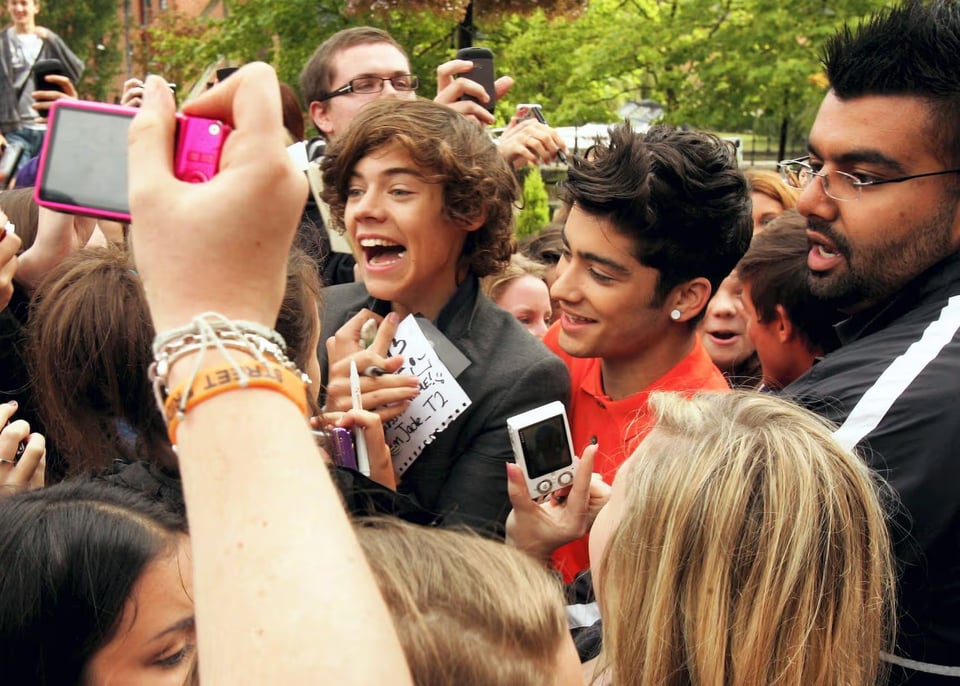
At the advent of social media, genuinely fan-run street teams did the hard, unpaid work of hyping their faves. They became the zealots and evangelists who posted relentlessly, streamed in droves, organised radio call-ins (remember those), and dragged bands like One Direction to the top of the charts. Often they did it with label/management blessing, and some insider access, but they weren’t industry plants. It came out of an authentic love for the act.
Now, though.
I’d avoided December 10, Simon Cowell’s new boyband-manufactured-for-a-netflix-show like the plague. It was so egregious that he was just trying to re-run the One Direction playbook so blatantly, right down to the name. (1D verses D10) So imagine my stone cold horror when I shazaamed a song that kept turning up in my playlists and I found myself humming along to one of their songs (!)
Horrified, I dug into it. This is NOT their song, it’s a cover of a song by Djo, the performing name of actor Joe Keery, from Stranger Things. Which went viral on tiktok as a sound. So obviously Simon Cowell had his minions cover it.
There’s absolutely nothing organic about how this earworm wound up in my head. Not a single “real” fan was involved.
Dazed ends its piece on a comforting note: no amount of marketing can make up for bad art. I’d love to believe that. But the street teams of 2012 worked for free because they were obsessed with something, and the machine they inspired doesn’t need anyone to love anything. December 10’s debut single reportedly sold about 6,300 copies. Nobody bought it. Nobody stanned it. But it still found me. Hate it. Hate everything about it.
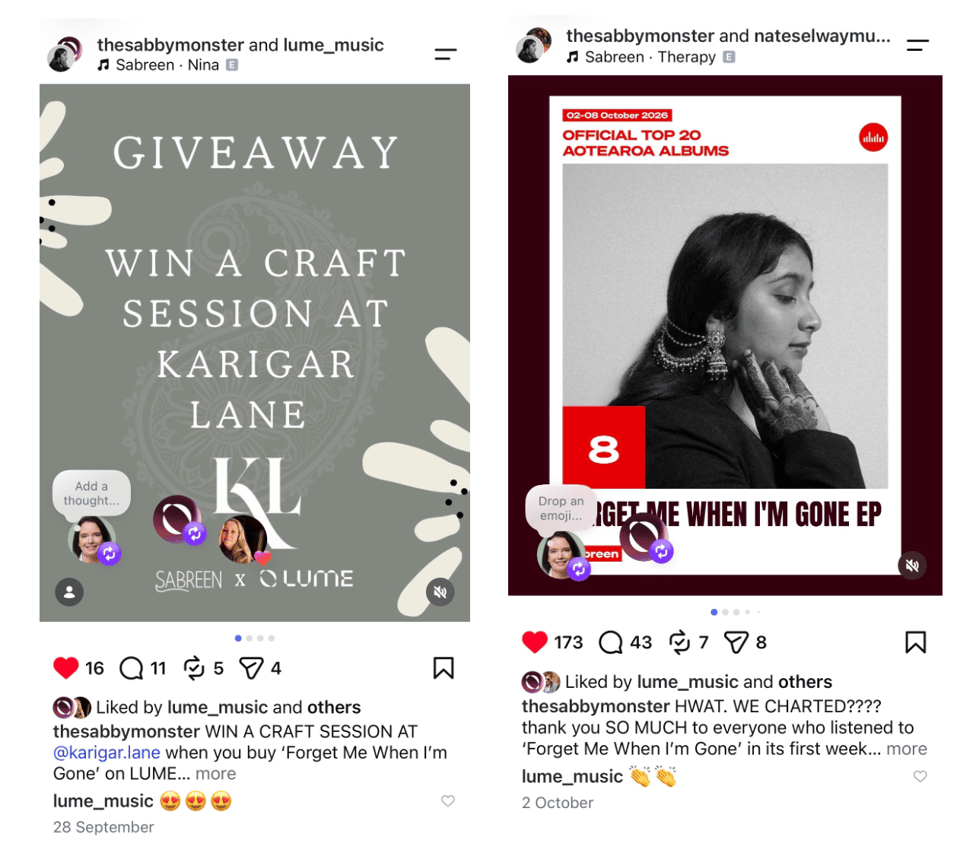
Let’s finish on a happy note. Brand new Aotearoa artist Sabreen released her EP with us at Lume and did a super cute giveaway where her fans could win a crafting session. She charted at number 8. What we love still matters.
more good stuff
- I still haven’t decided who I’m voting for in next month’s election here in Aotearoa, but this print and fold train from the Greens is pretty persuasive.

- Agustín Ferrando Trenchi became a little obsessed with the moon as a kid. This is the incredible story of his journey to try and capture a photo of a plane flying in front of the moon
- The Cornell 7 story is horrifying and we shouldn’t look away, particularly as it becomes clear that algos are showing the coverage to women but not to men. As always, Kat Tenbarge has some incredible reporting on the campaign to smear Jane Doe.
finally, in my lego city

Forward this email to someone and recommend something you like.
You just read issue #95 of what you love matters. You can also browse the full archives of this newsletter.


Add a comment: